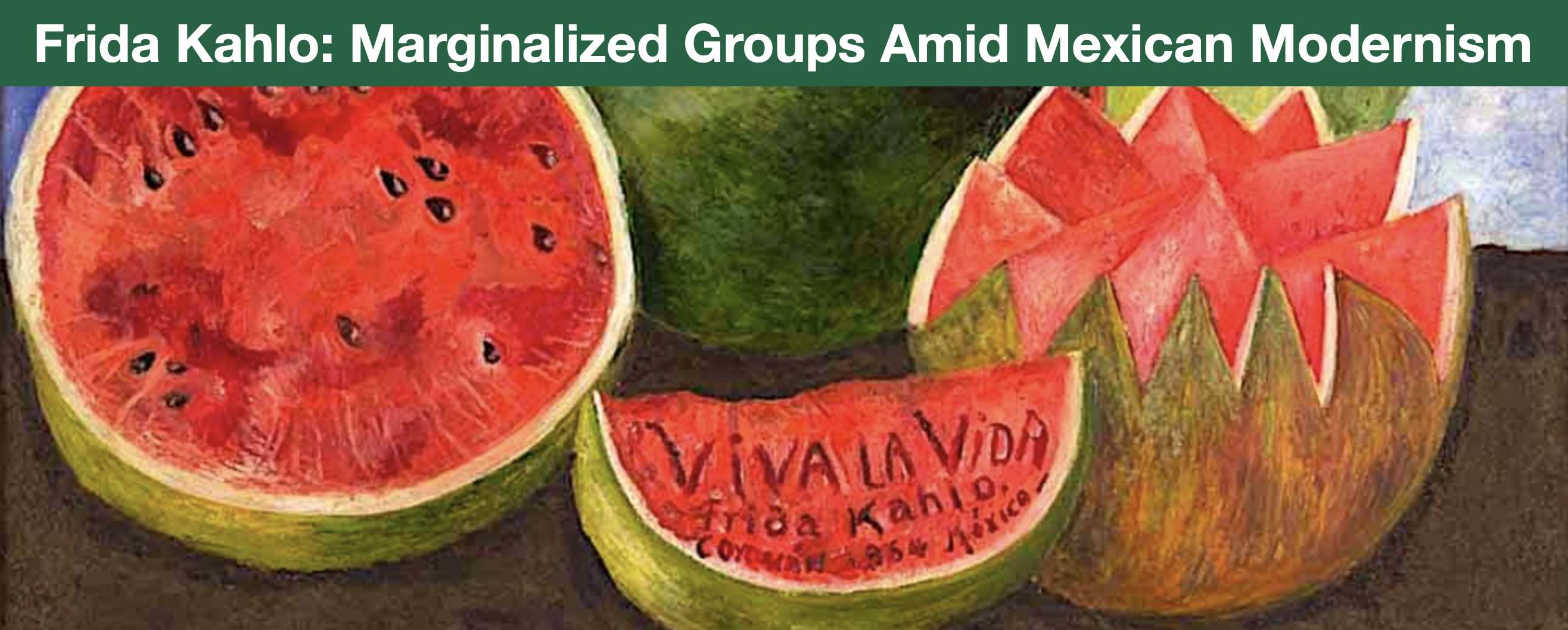
Conclusion ~ "Viva La Vida"
During Mexican Modernism, Kahlo’s art influenced turning points for marginalized groups. Even after Kahlo's death, her art and life persistently impact these groups. Today, educators use Kahlo’s art to diversify students' knowledge about the indigenous people of Mexico. Kahlo’s ground-breaking self-portraits continue to normalize disabilities. Activists frequently celebrate her during disability pride month. In the 1970s, Kahlo became an icon for the feminist movement. Now, her paintings represent new generations of independent women. Kahlo perpetually inspires society by portraying people with disabilities, indigenous culture, and women.
Disability organizations recognize Kahlo.
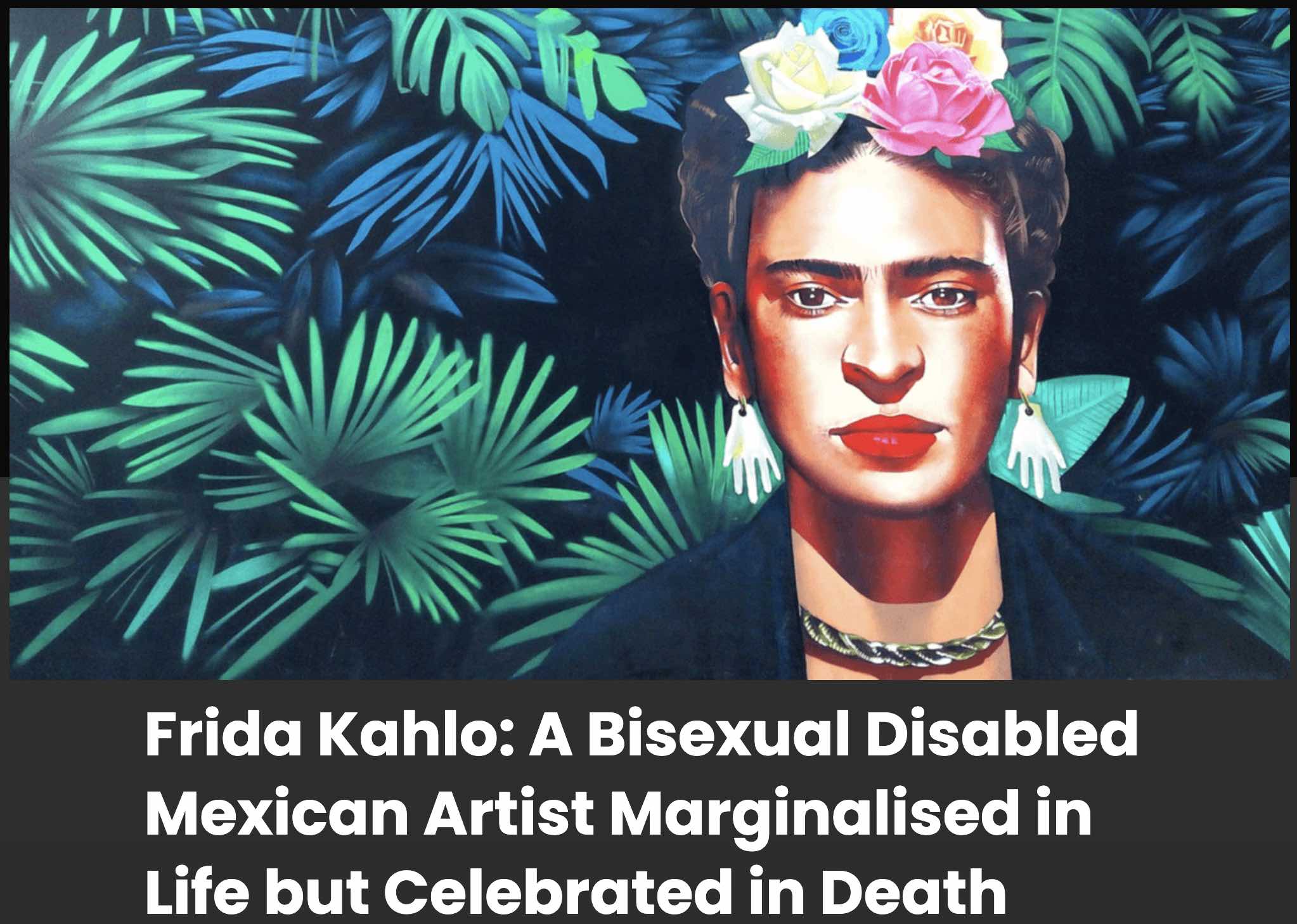
Credit: Rooted in Rights, 2021
Mexico in quarter-finals of Americas Cup wheelchair basketball
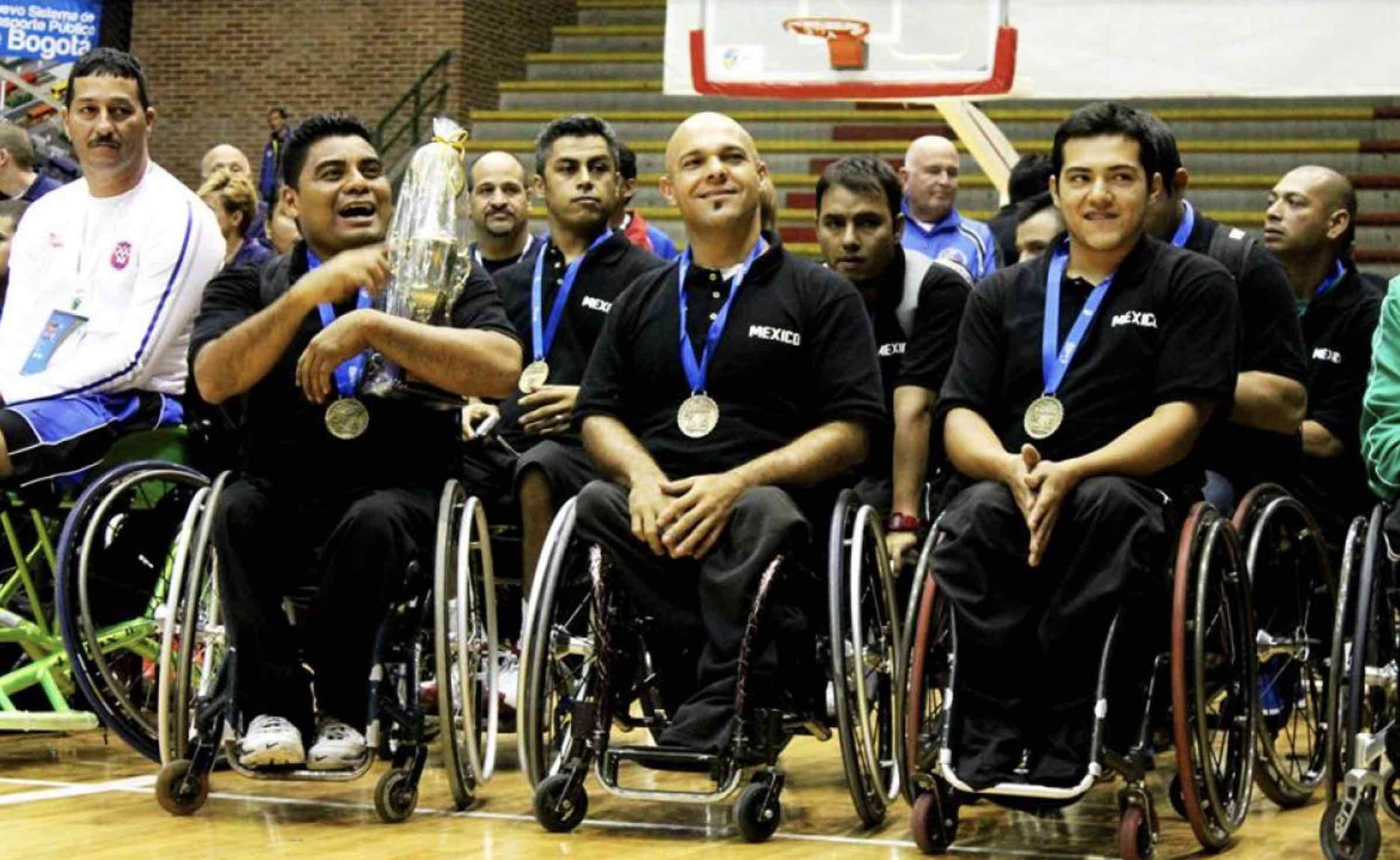
Credit: International Paralympic Committee, 2013
Books educate about Kahlo’s cultural impact.
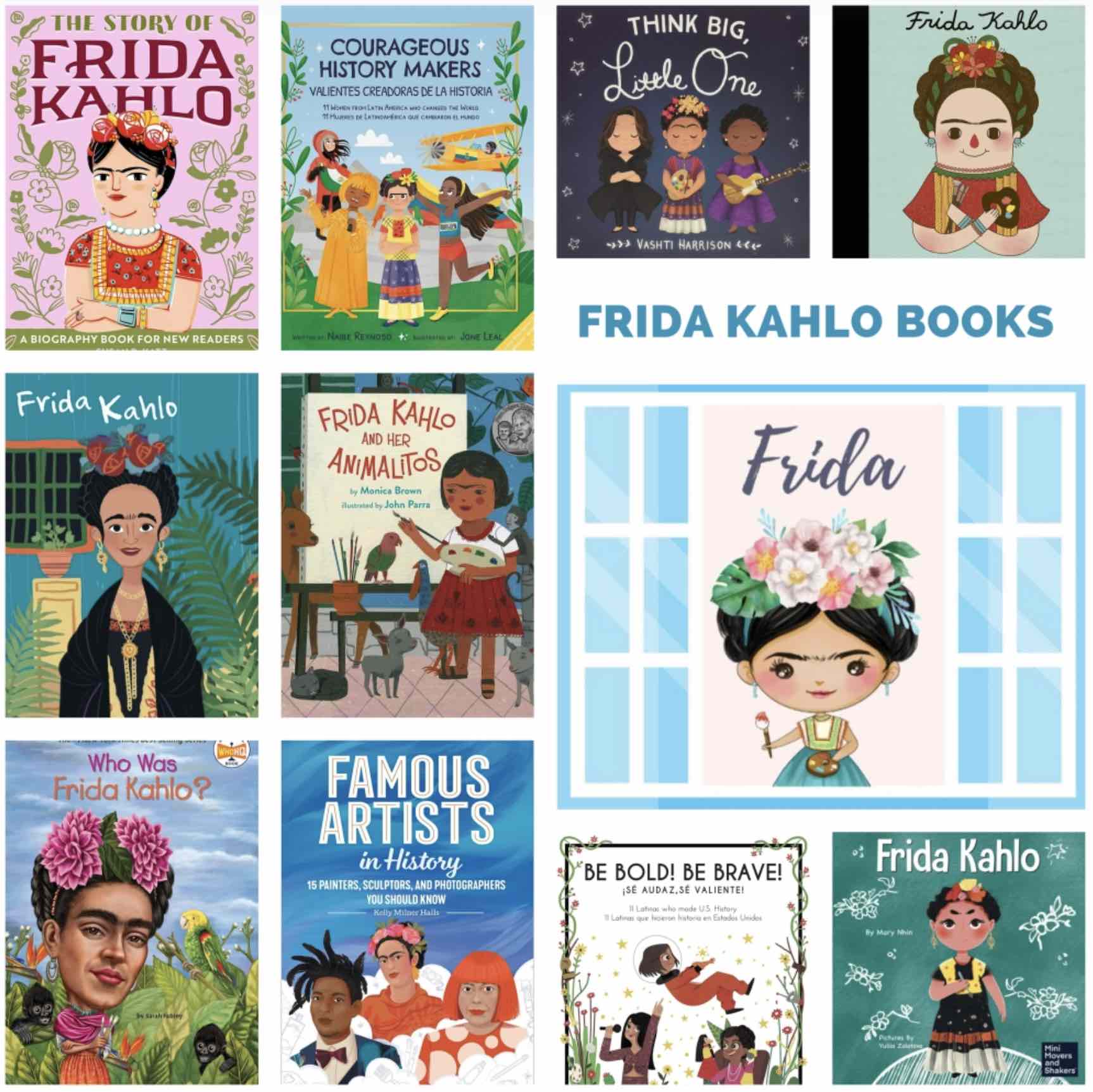
Credit: Kids Art Box, 2024
Women’s March on Seattle
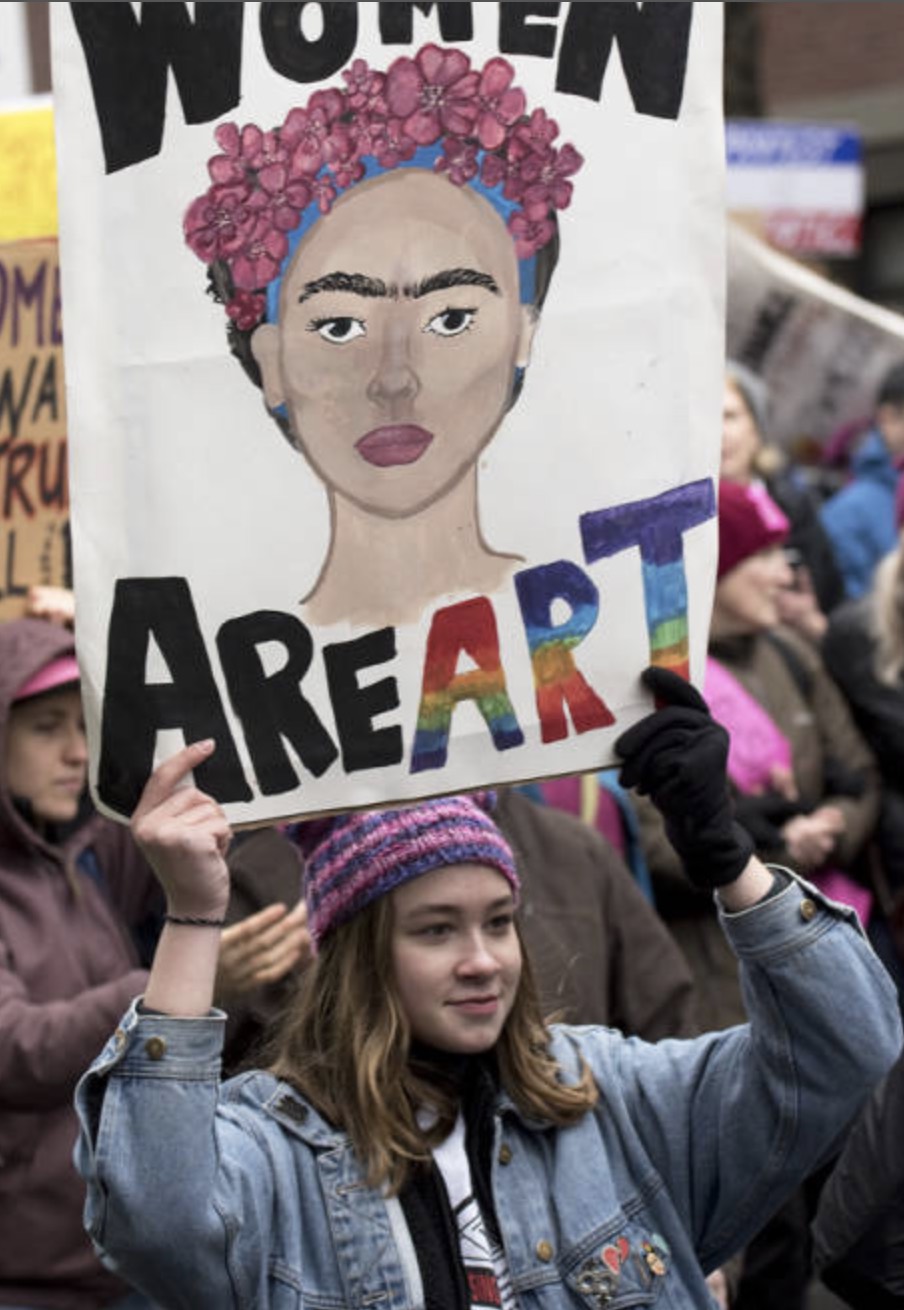
Credit: University of Washington
Libraries, 2018
Kahlo on cover of Vogue Mexico
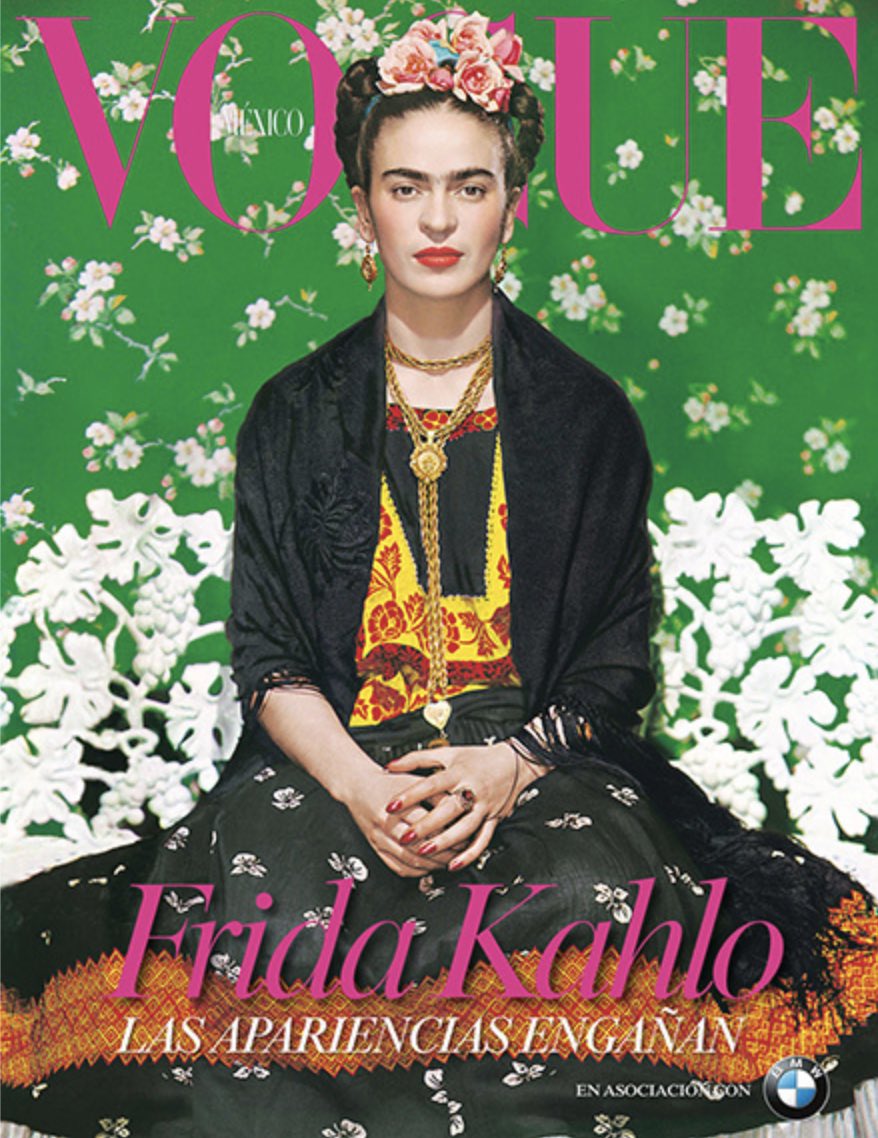
Credit: Vogue Mexico, 2012
Photo credit: Nickolas Muray, 1939
Some negative perceptions developed because of the tremendously commercialized “Fridamania.”
“Frida Kahlo,” Seventh Art Productions, 2020
Kahlo’s obituary and final photos
Frida Kahlo, Artist, Diego Rivera‘s Wife
MEXICO CITY, July 13 (AP)-- "Frida Kahlo, wife of Diego Rivera, the noted painter, was found dead in her home today. Her age was 44. She had been suffering from cancer for several years.
She also was a painter and also had been active in leftist causes. She made her last public appearance in a wheel chair at a meeting here in support of the now ousted regime of Communist- backed President Jacobo Arbenz Guzman of Guatemala.
Frida Kahlo began painting in 1926 while obliged to lie in bed during convalescence from injuries suffered in a bus accident. Not long afterward she showed her work to Diego Rivera, who advised, "go on painting." They were married in 1929, began living apart in 1939, were reunited in 1941.
Usually classed as a surrealist, the artist had no special explanation for her methods. She said only: "I put on the canvas whatever comes into my mind." She gave one-woman shows in Mexico City, New York and elsewhere, and is said to have been the first woman artist to sell a picture to the Louvre.
Some of her pictures shocked beholders. One showed her with her hands cut off, a huge bleeding heart on the ground nearby, and on either side of her an empty dress. This was supposed to reveal how she felt when her husband went off alone on a trip. Another self-portrait presented the artist as a wounded deer, still carrying the shafts of nine arrows.
A year ago, too weak to stand for more than ten minutes, she sat daily at her easel declaring: "I am happy to be alive as long as I can paint.”"
Credit: The New York Times, 1954
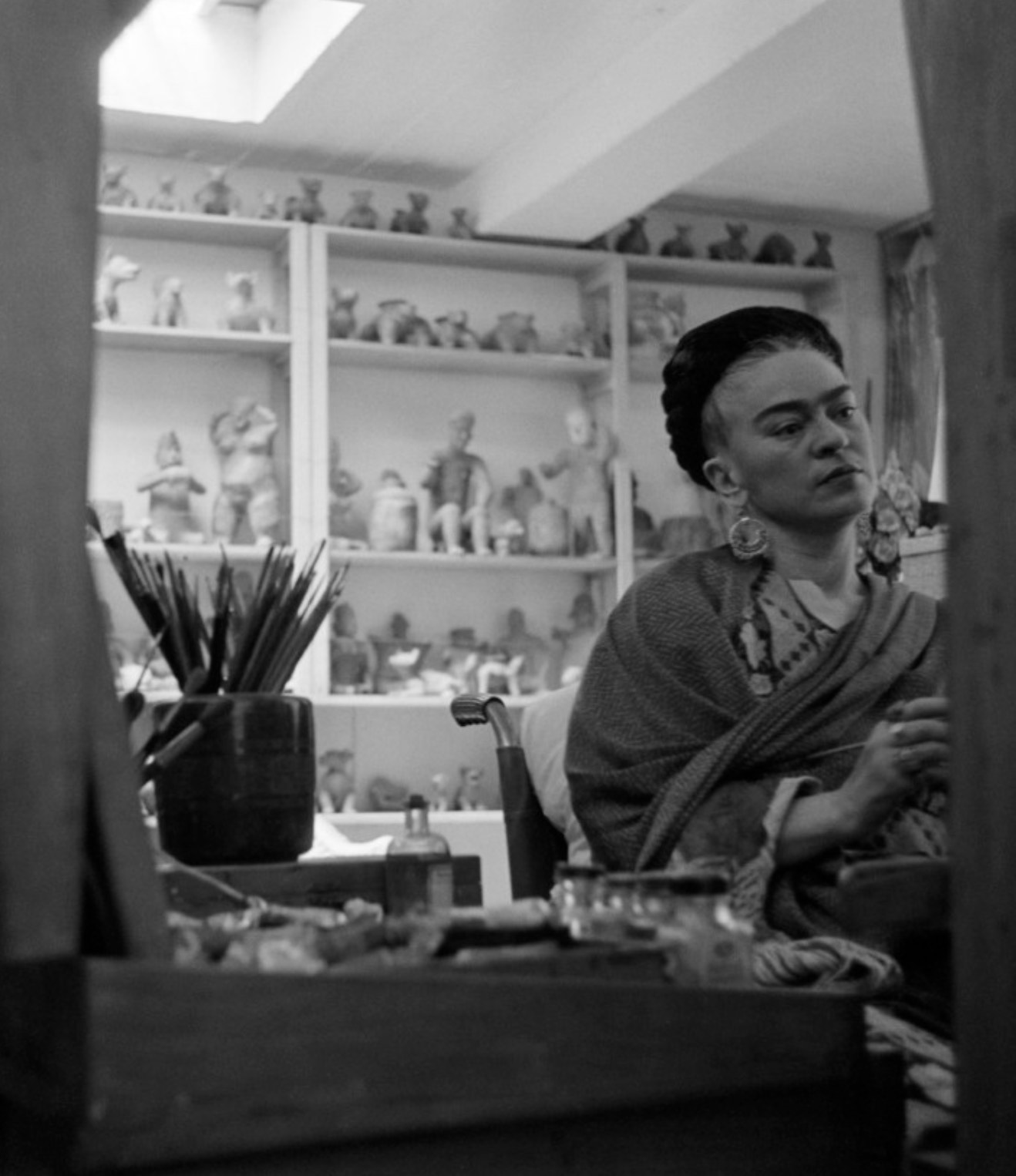
Credit: Werner Bischof, 1954
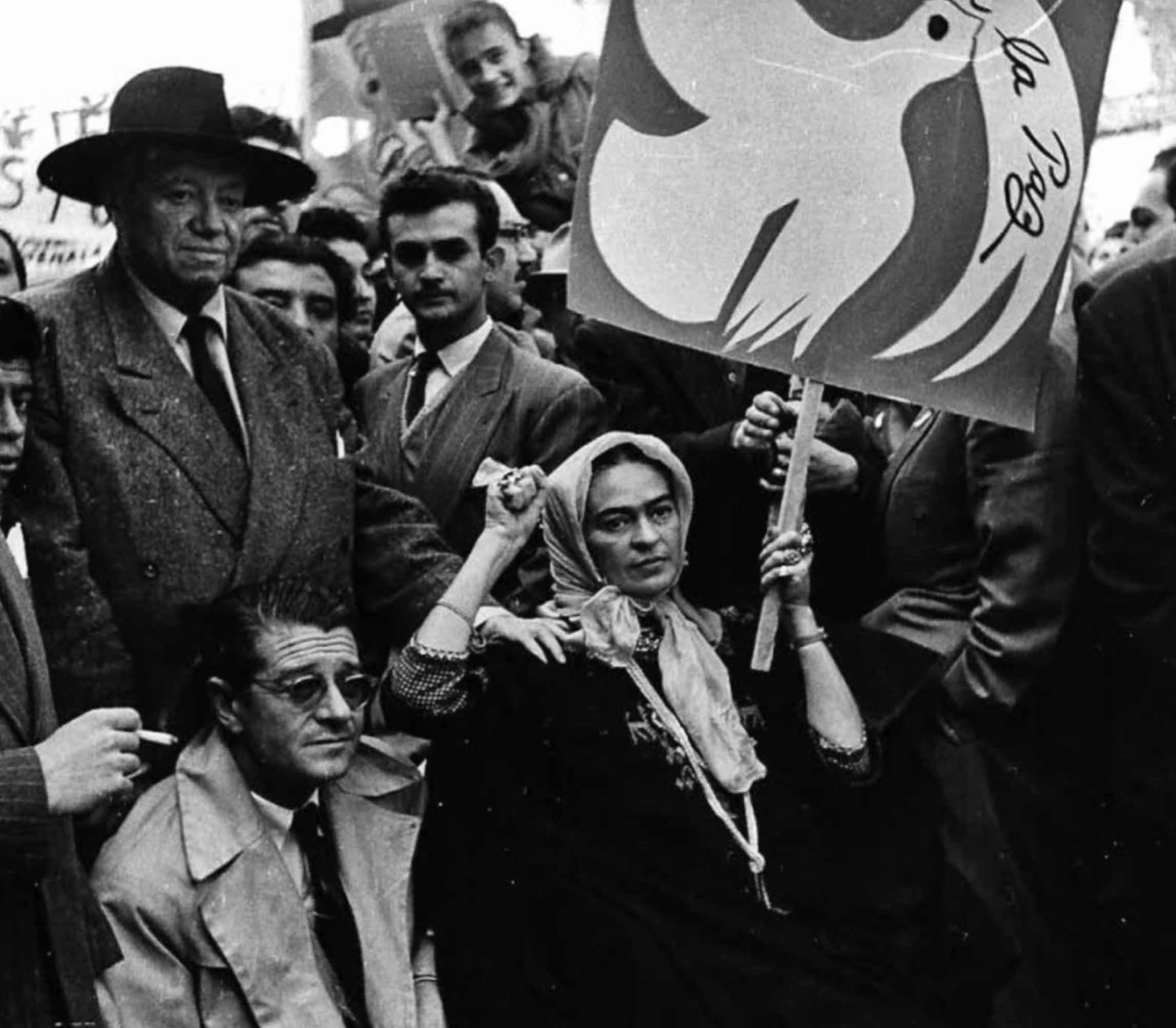
“Frida attends a protest against United States Intervention in Guatemala. She is photographed in her wheelchair… with Diego Rivera by her side…in the last photo of Frida alive,” July 2, 1954, Museo Frida Kahlo
Kahlo continues to inspire other artists.
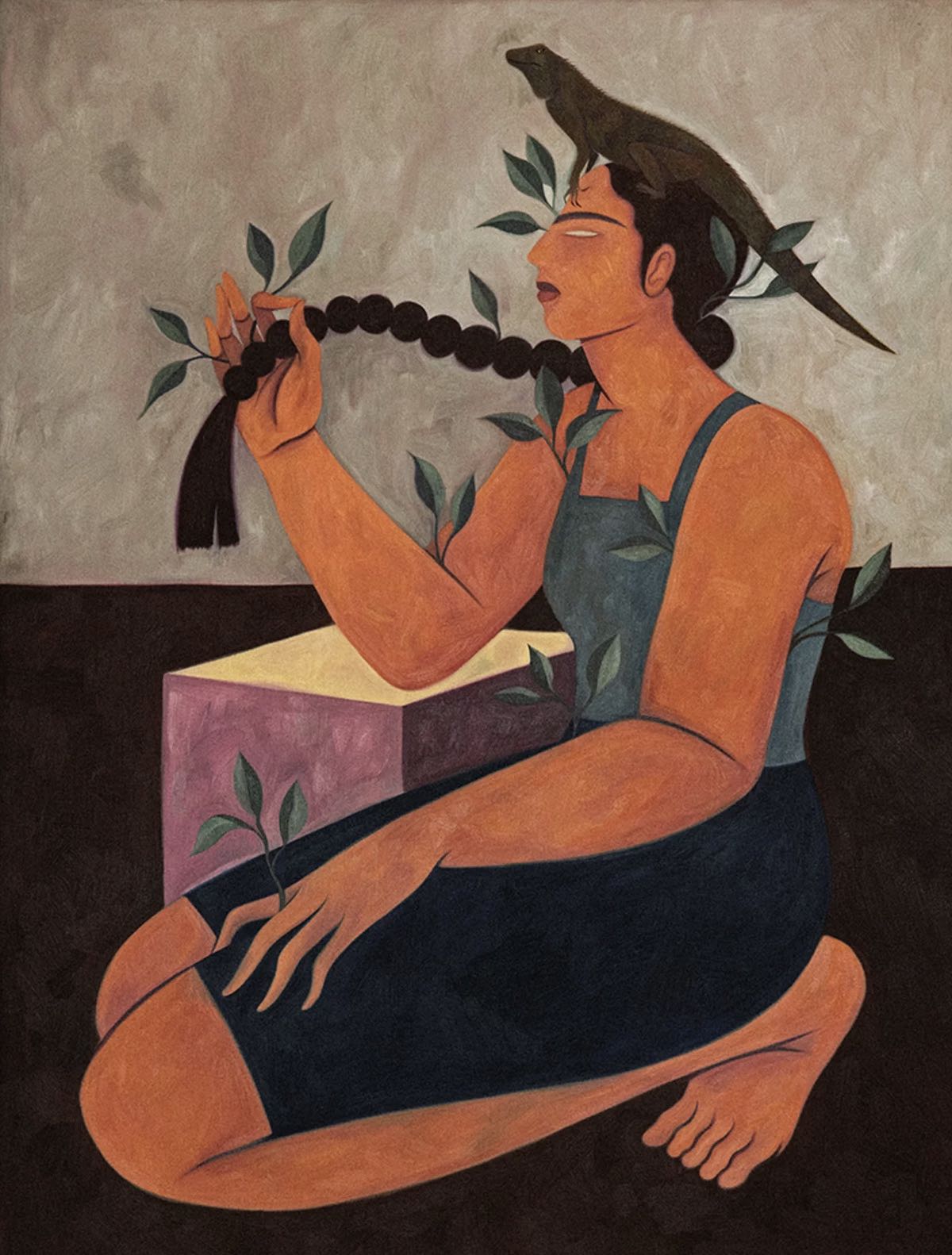
“Viva,” Hilda Palafox, 2021
“My high school was in the heart of Coyoacán in Mexico City, so I used to walk by La Casa Azul [Kahlo's home] almost every day. Later, when I started my own artistic path, I felt very inspired by her and her work…” - Hilda Palafox, 2018
Kahlo honored in California mural
Credit: Nicolás Villarreal, 2017
“I joyfully await the exit – and I hope never to return.” - Frida Kahlo, 1954
Header artwork credit: Frida Kahlo, “Viva la Vida,” 1954