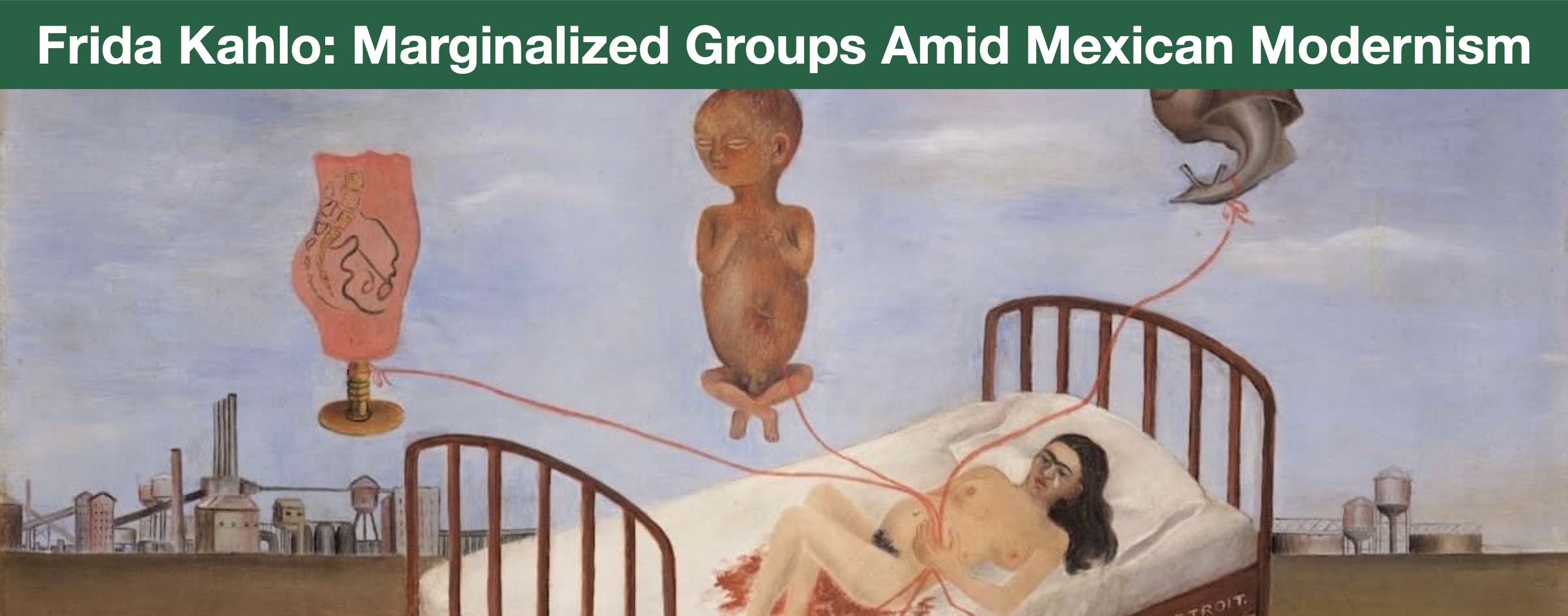
Women ~ "The Flying Bed"
During the Mexican Revolution, Las Soldaderas were women who participated in all aspects of war, including fighting. As women performed tasks generally done by men, they began questioning the lack of gender equality. However, in the period of Mexican Modernism, women were again marginalized, and the problems they faced were often dismissed.
Las Soldaderas holding rifles
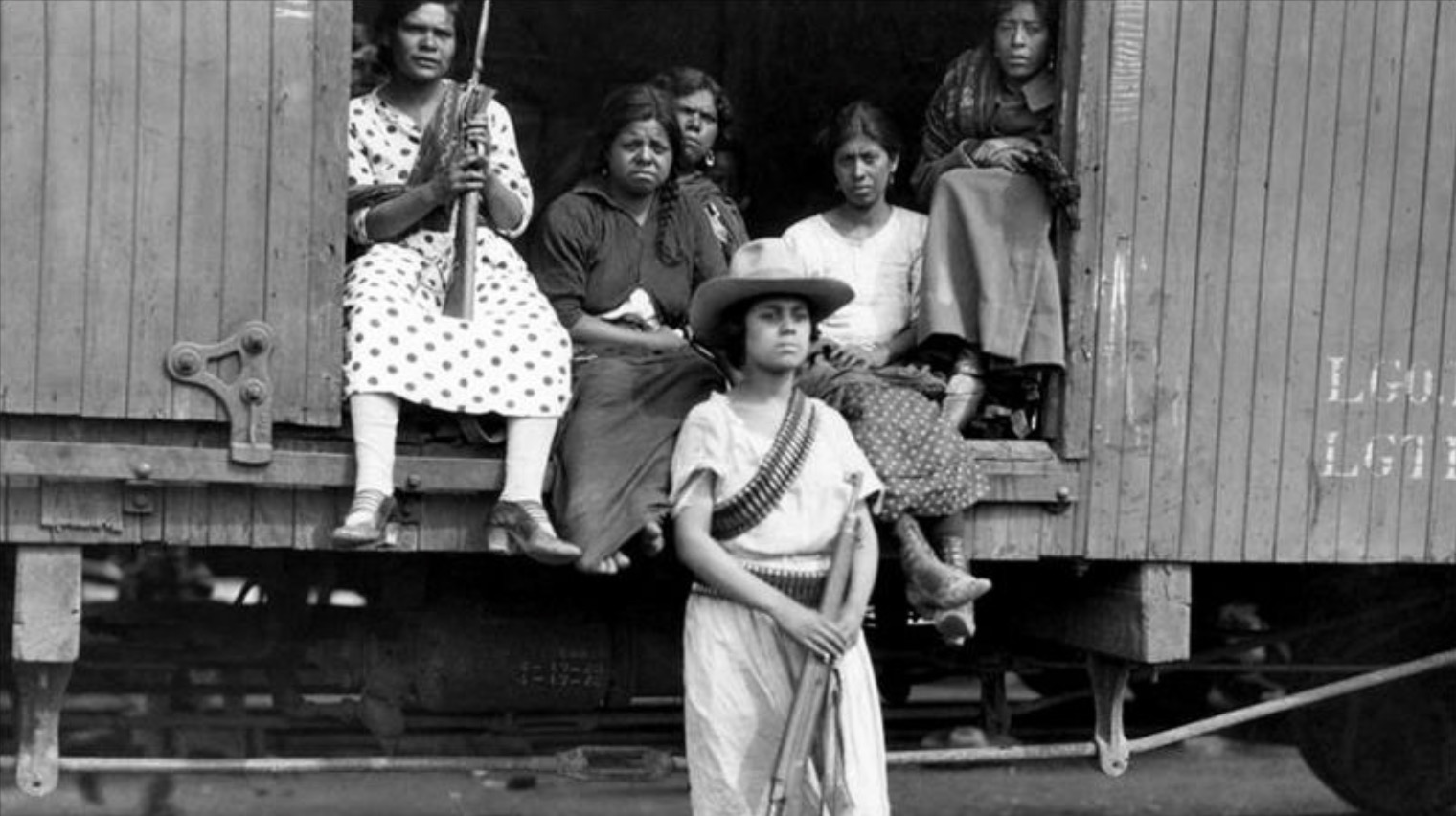
Photo c. 1910, Credit: BBC News, 2010
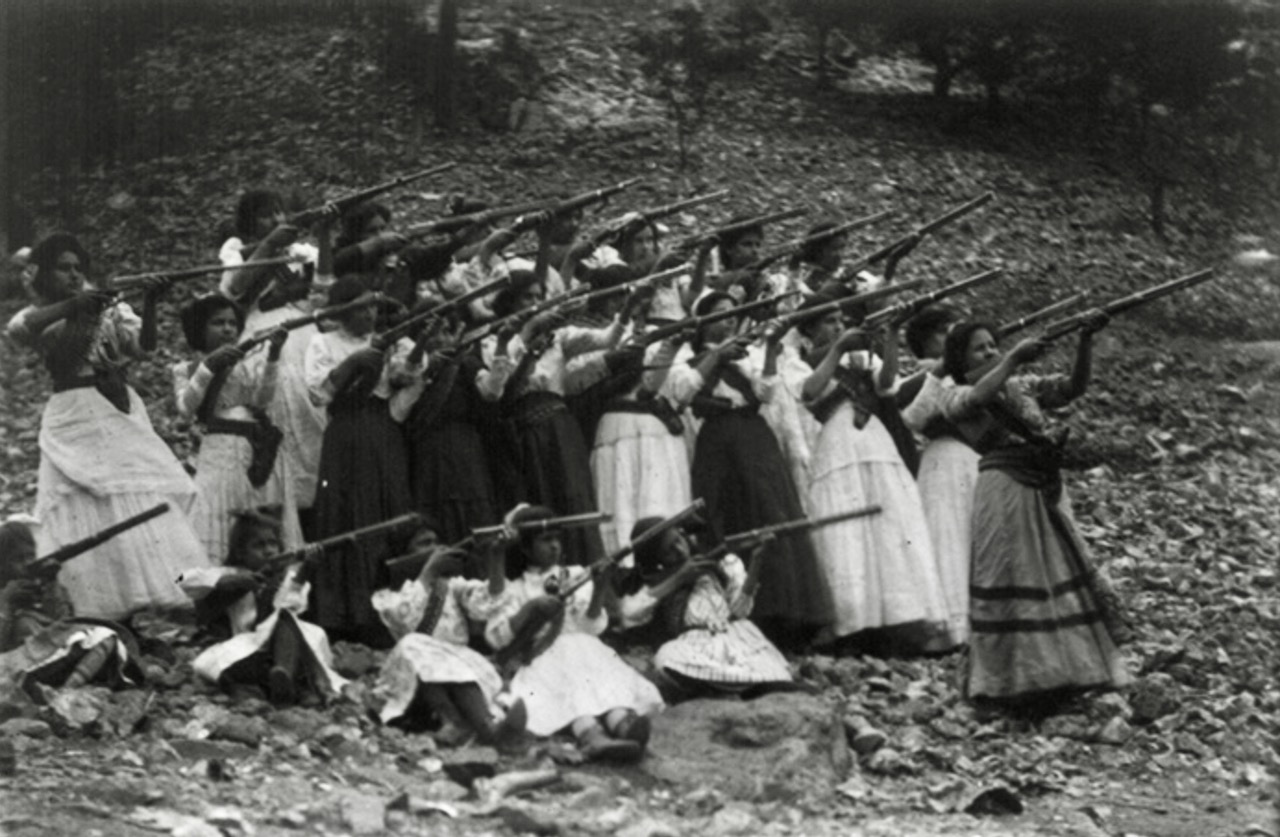
Photo 1911, Credit: Library of Congress
By painting about challenges that women go through, Kahlo encouraged turning points. She revealed explicit details which some people found unsettling. For example, discussion of miscarriages during this time was taboo. In 1932, Frida had a miscarriage and became the first to portray this controversial topic.
“Frida’s tragedy—for such she felt her experience to be—inspired her to paint a canvas depicting a miscarriage and expressing the sensations and emotions it gives rise to. She also painted a picture representing her own birth. Immediately thereafter, she began work on a series of masterpieces which had no precedent in the history of art—paintings which exalted the feminine qualities of endurance to truth, reality, cruelty, and suffering. Never before had a woman put such agonized poetry on canvas as Frida did at this time in Detroit.” - Diego Rivera, c. 1944
Kahlo graphically painted her miscarriage and was never able to bear a child.
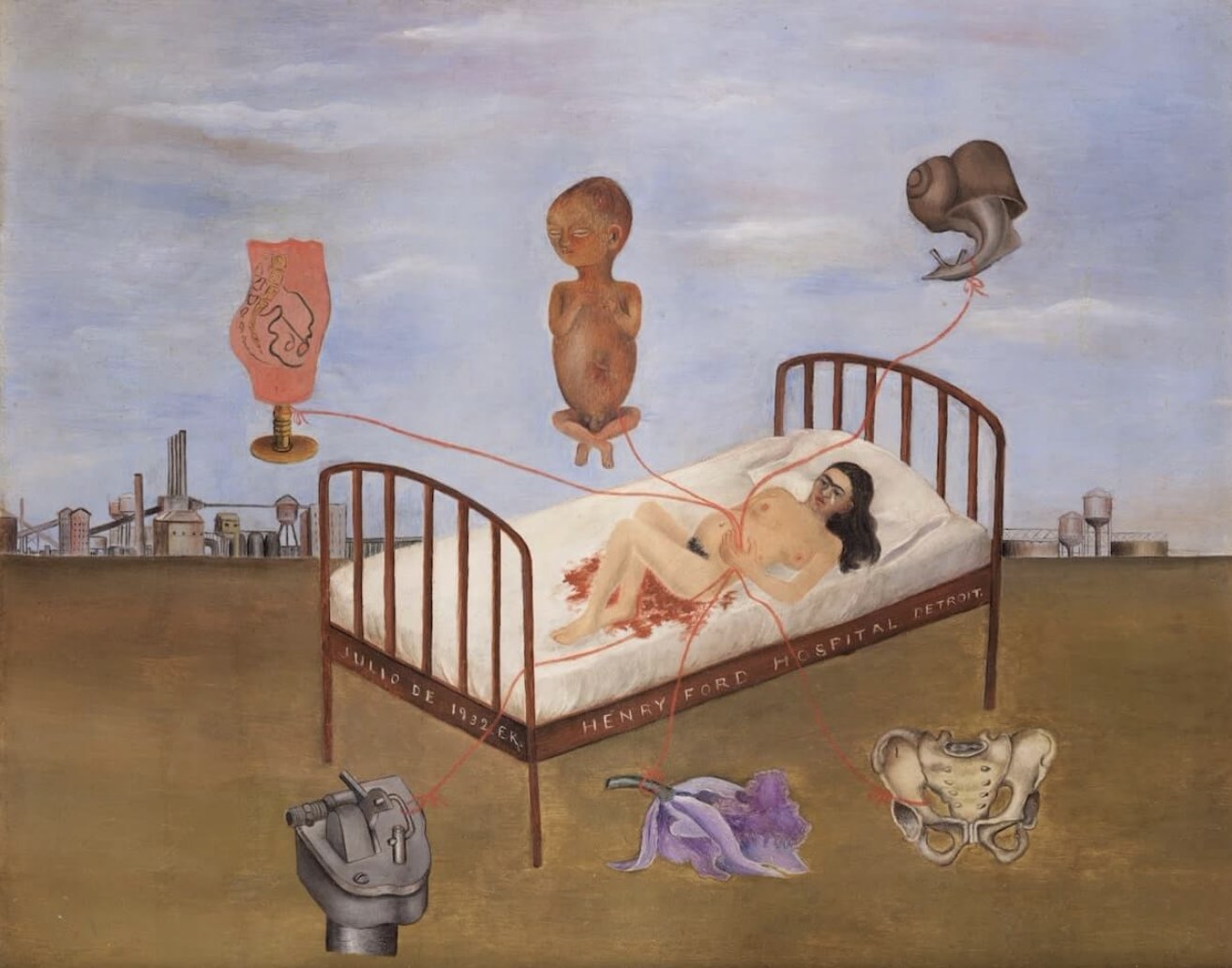
“Henry Ford Hospital (The Flying Bed),” Frida Kahlo, 1932
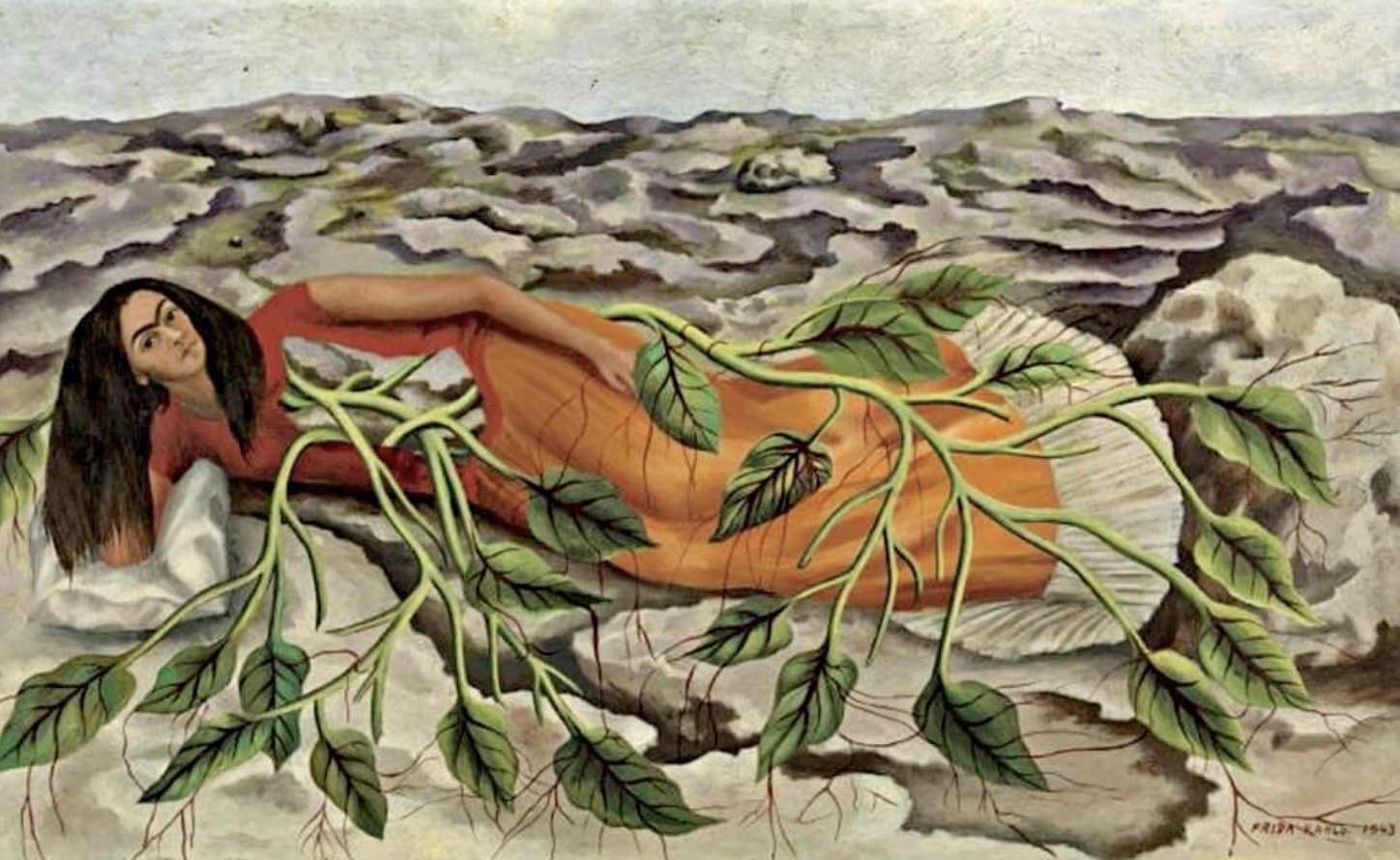
“Roots,” Frida Kahlo, 1943
Kahlo identified as bisexual and embraced sexuality in some paintings. She helped pave the path for future women concerning their sexual preferences. At the time, this was rare because bisexuality and homosexuality conflicted with religious and societal norms. Kahlo portrayed masculine and feminine sides of herself by including her unibrow and facial hair in artwork and dressing as a man, which defied gender roles.
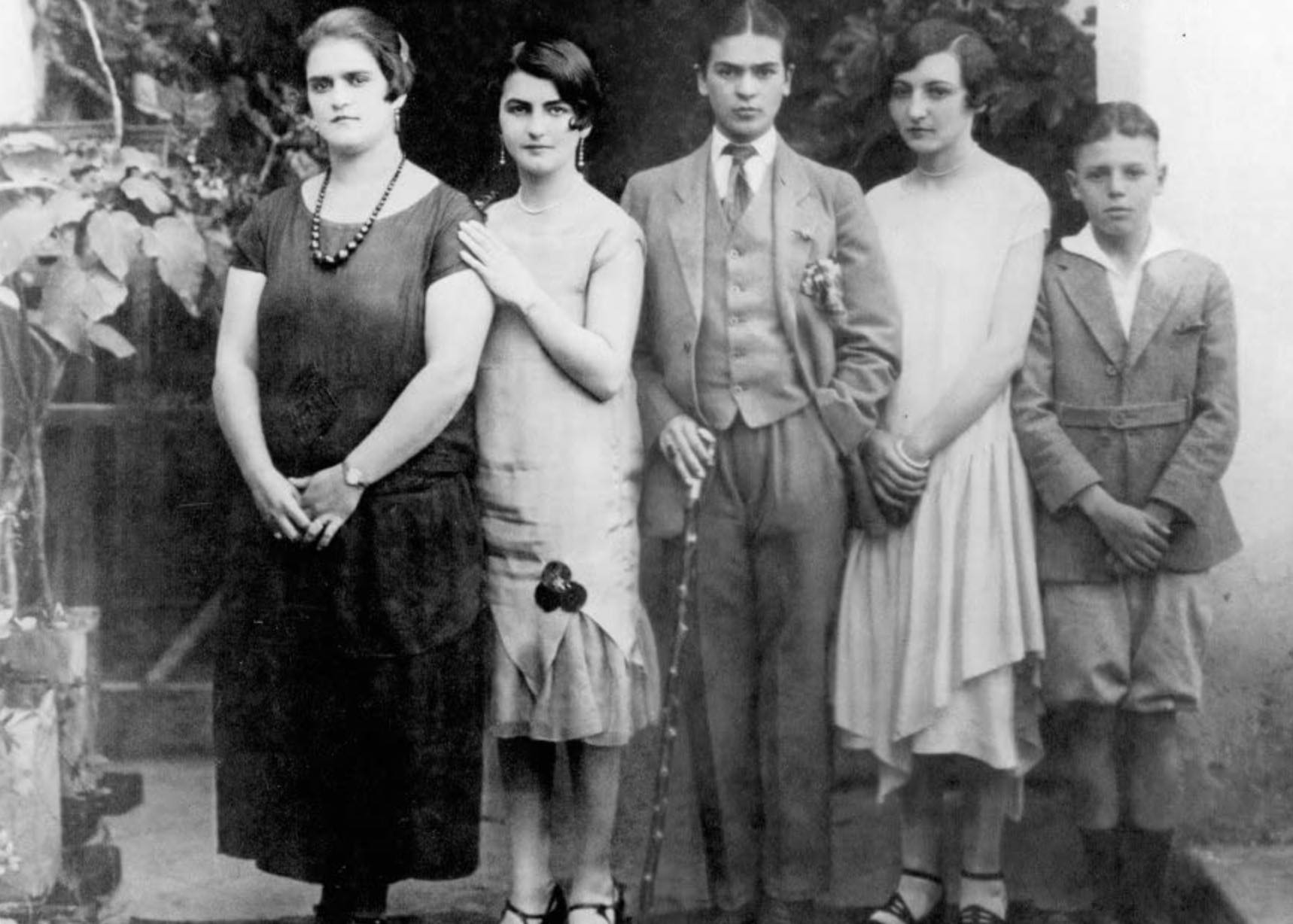
Frida in center
Credit: Guillermo Kahlo, 1926
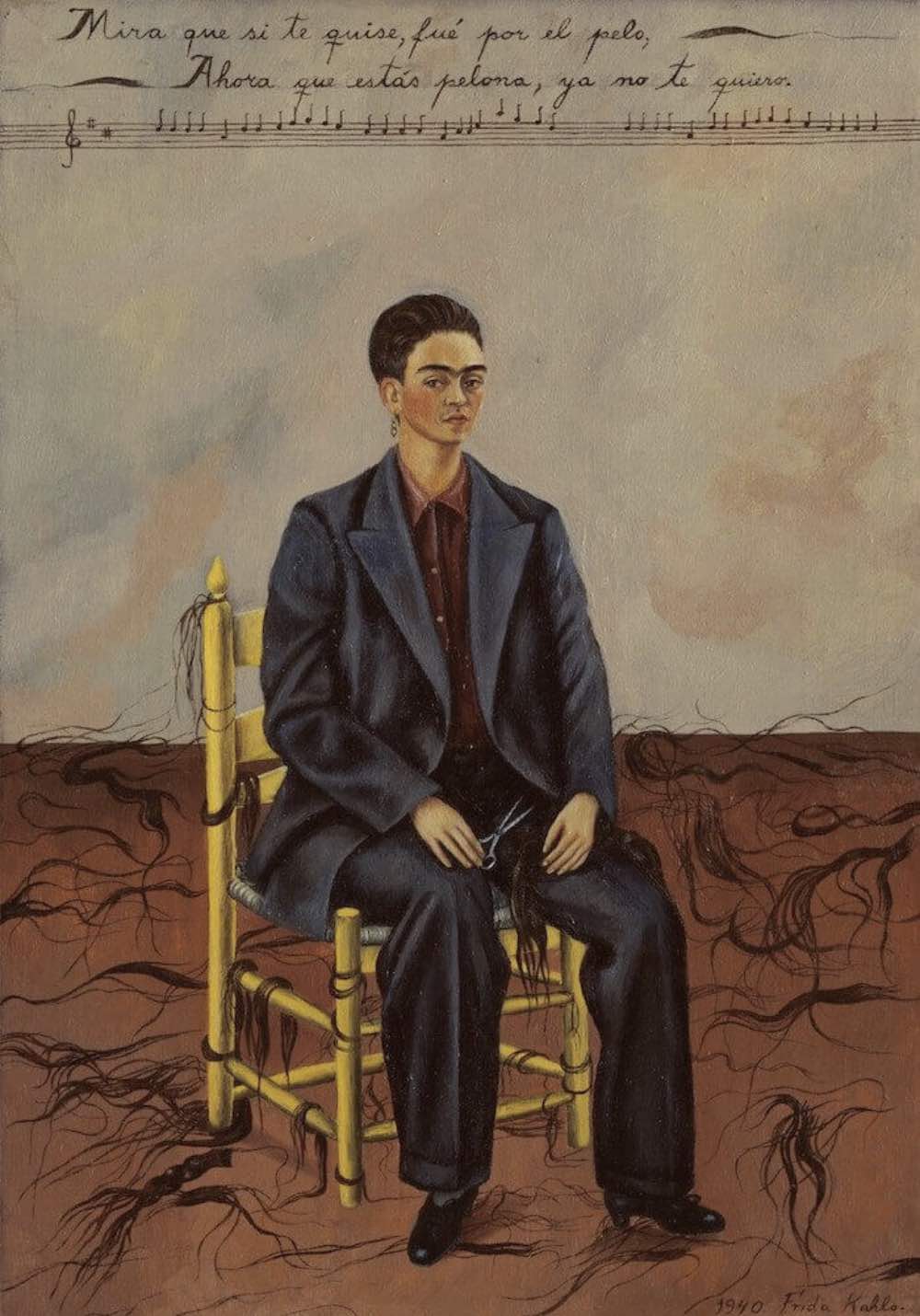
“Self portrait with cropped hair,” Frida Kahlo, 1940
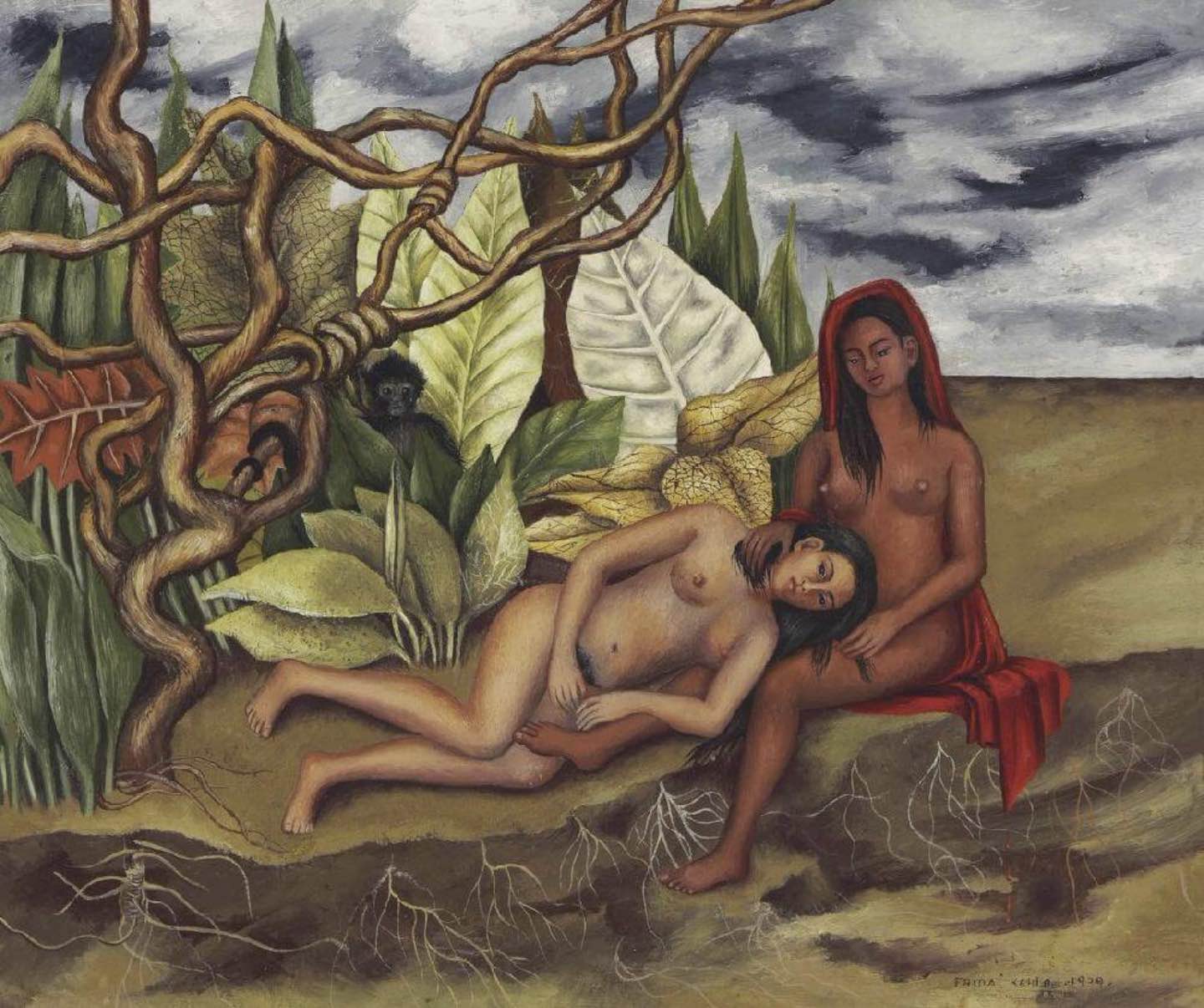
“Two Nudes in a Forest,”
Frida Kahlo, 1939
“…my task of regaining Frida… when she finally consented… she asked for certain conditions: that she would provide for herself financially from the proceeds of her own work; that I would pay one half of our household expenses - nothing more.” - Diego Rivera, c. 1944
Initially, journalists and even Kahlo presented her simply as a novice painter and concentrated on her role as the wife of a great muralist.
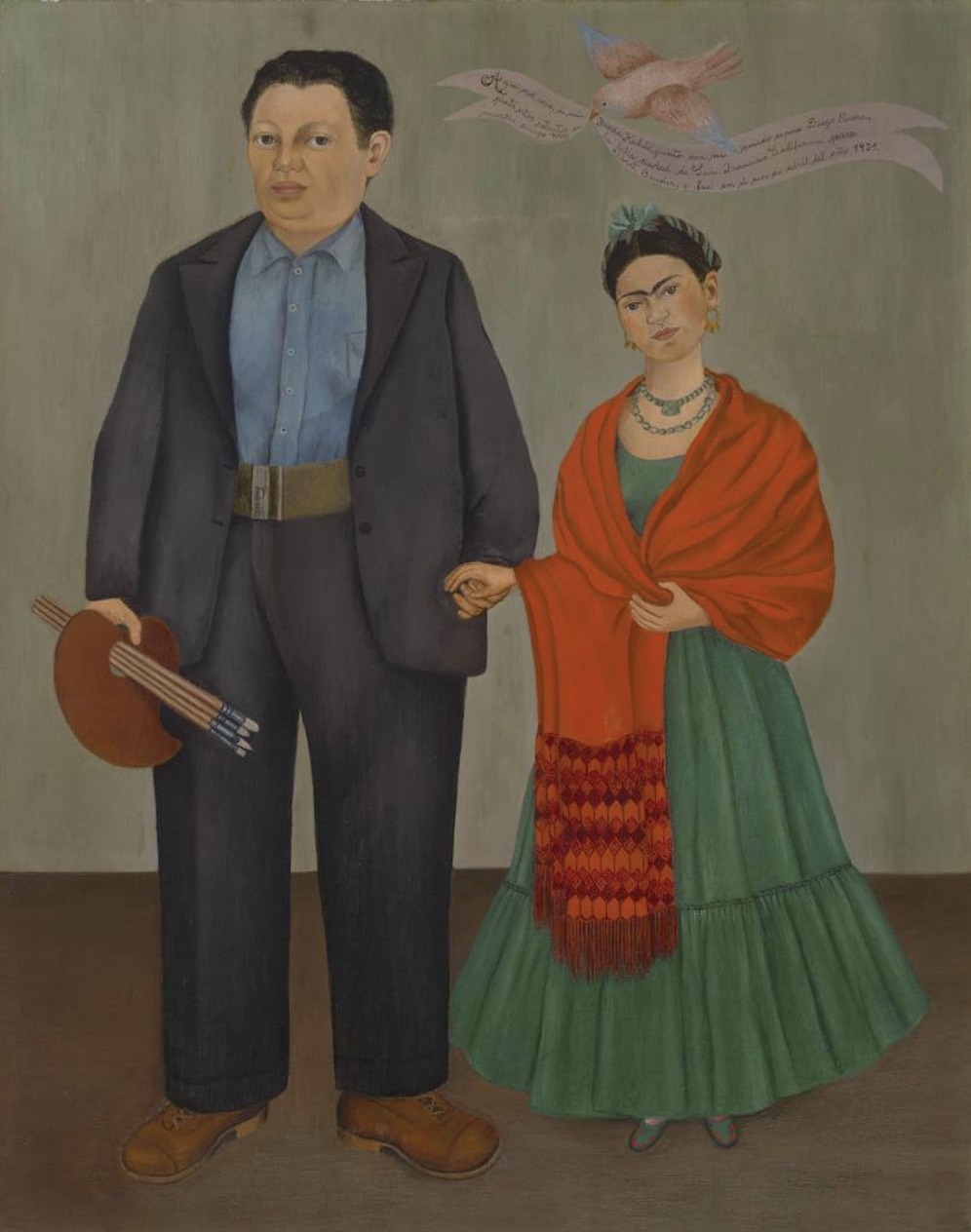
“Frida & Diego Rivera,” Frida Kahlo, 1931
Diego held painting tools while Frida portrayed herself as a classic 1930s Mexican wife.
These articles show the evolution of Kahlo’s public recognition as a female painter.
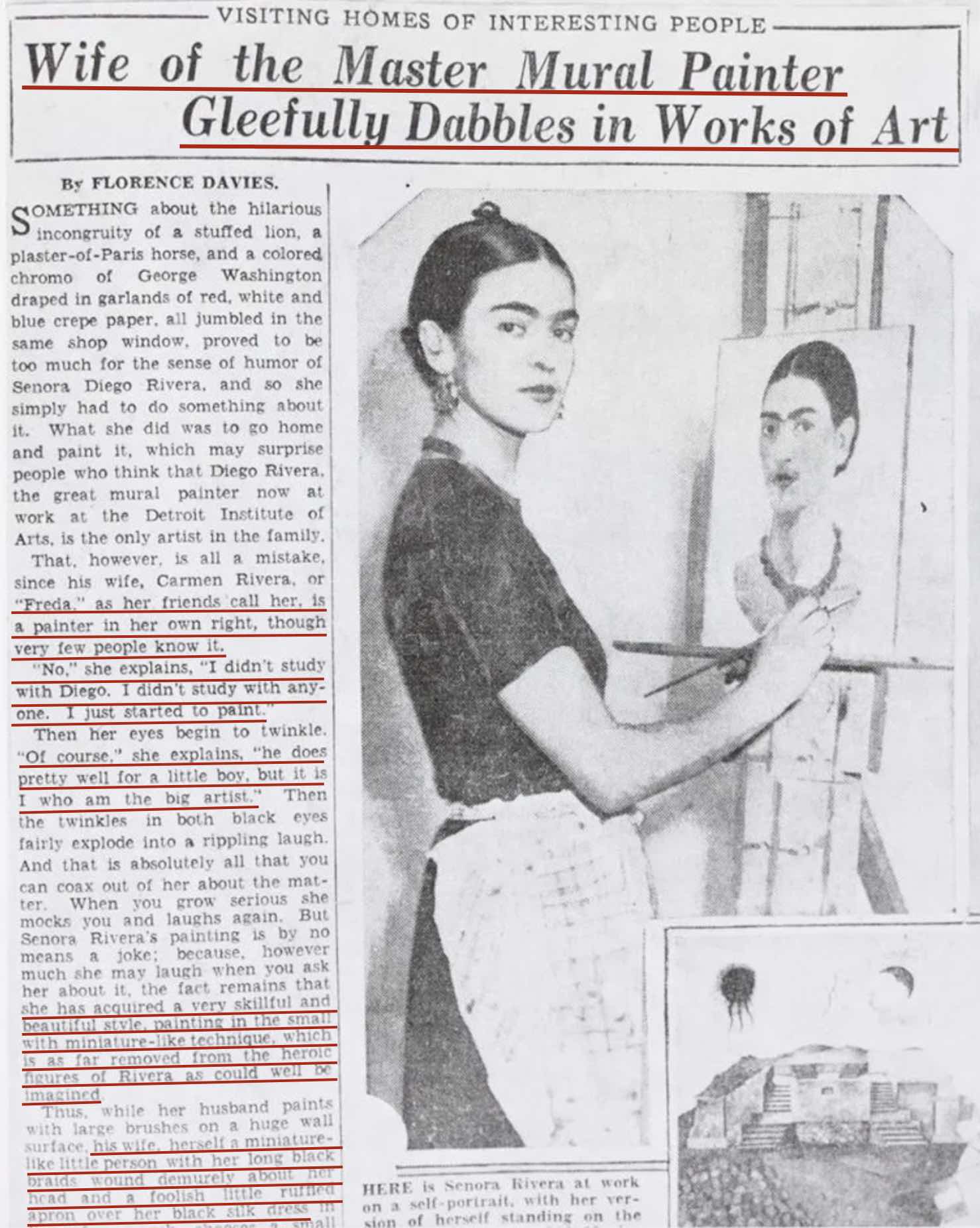
Credit: Detroit News, 1933
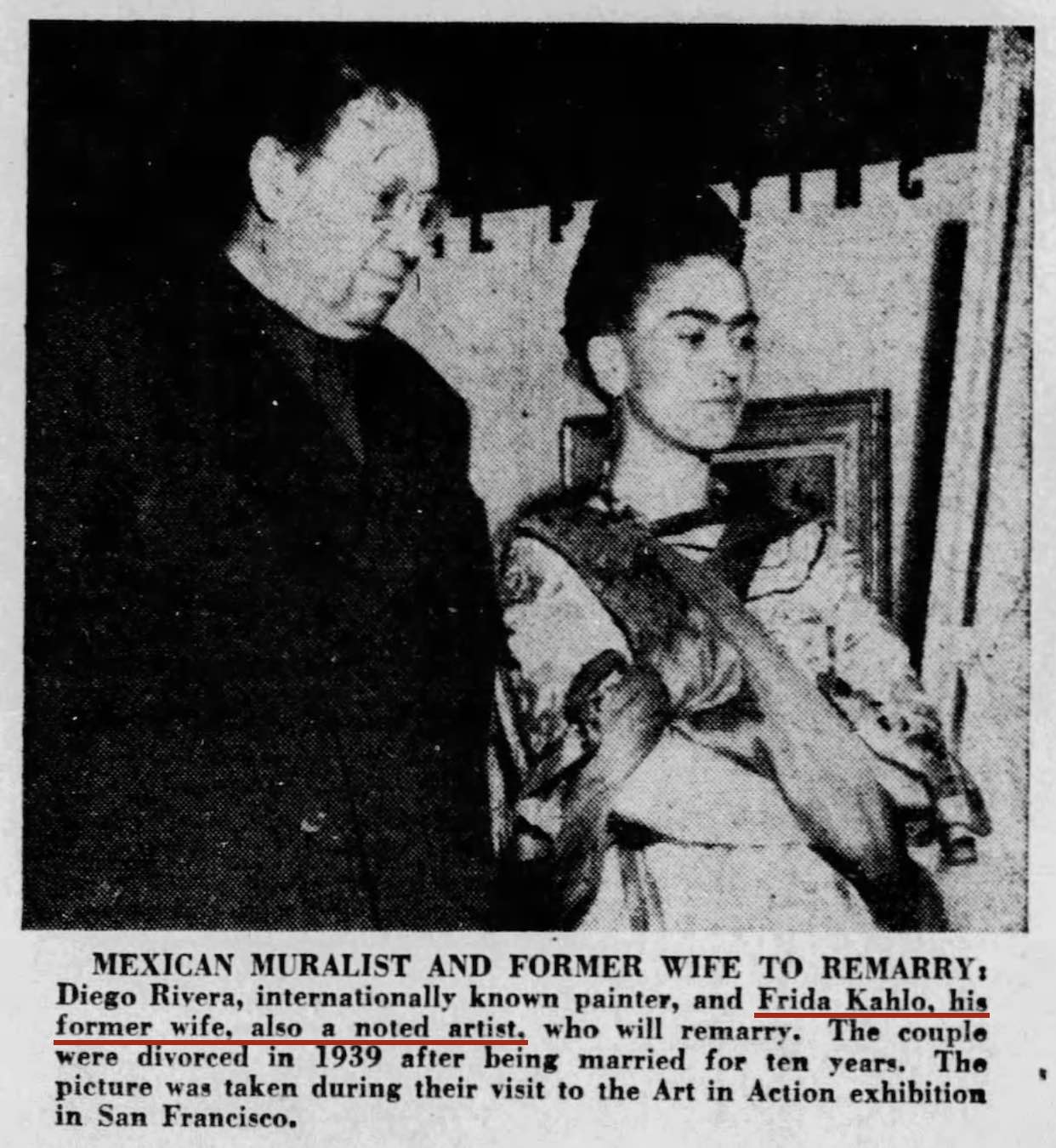
Credit: The Gazette Montreal, 1943
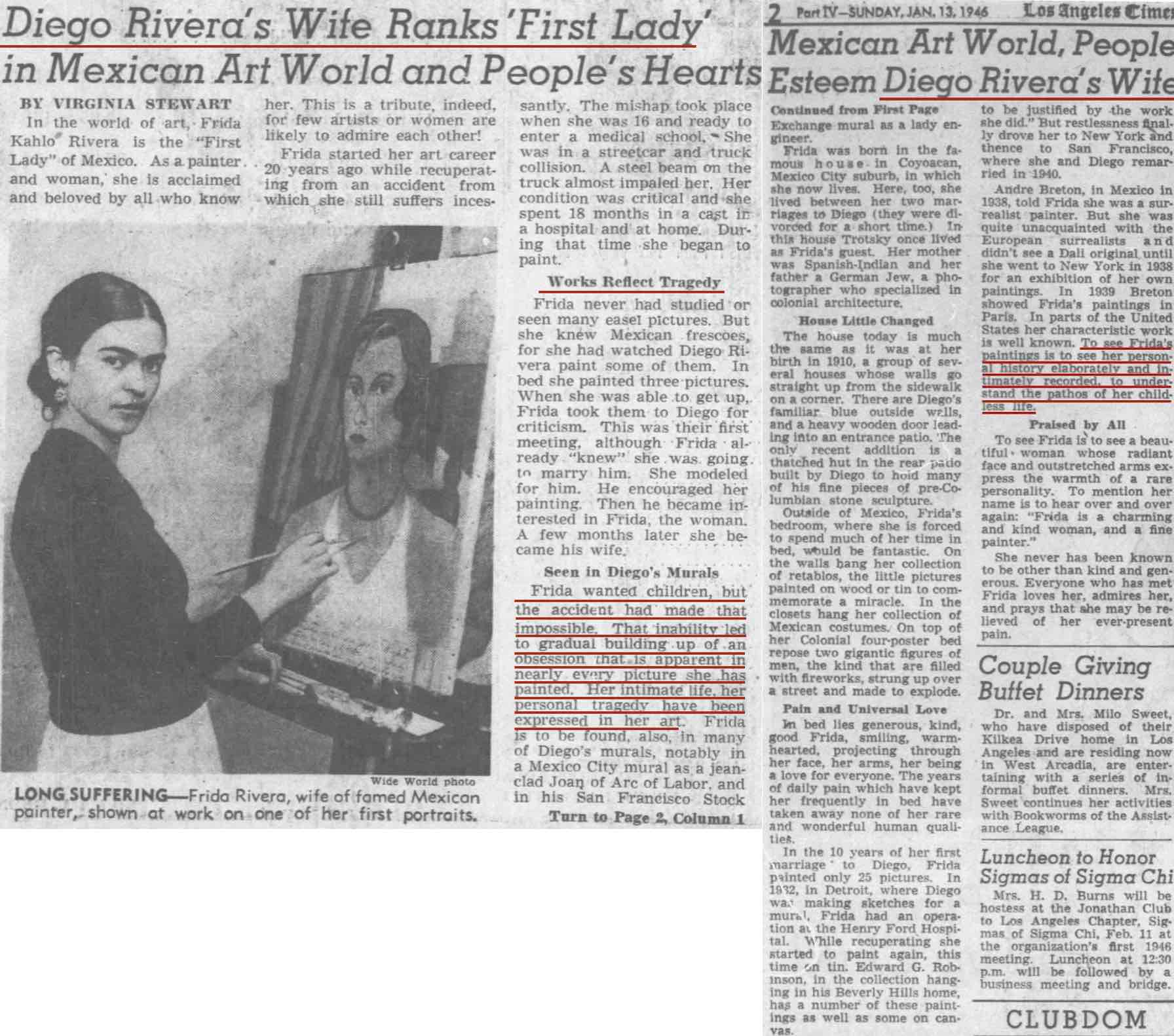
Credit: Virginia Stewart, Los Angeles Time, 1946
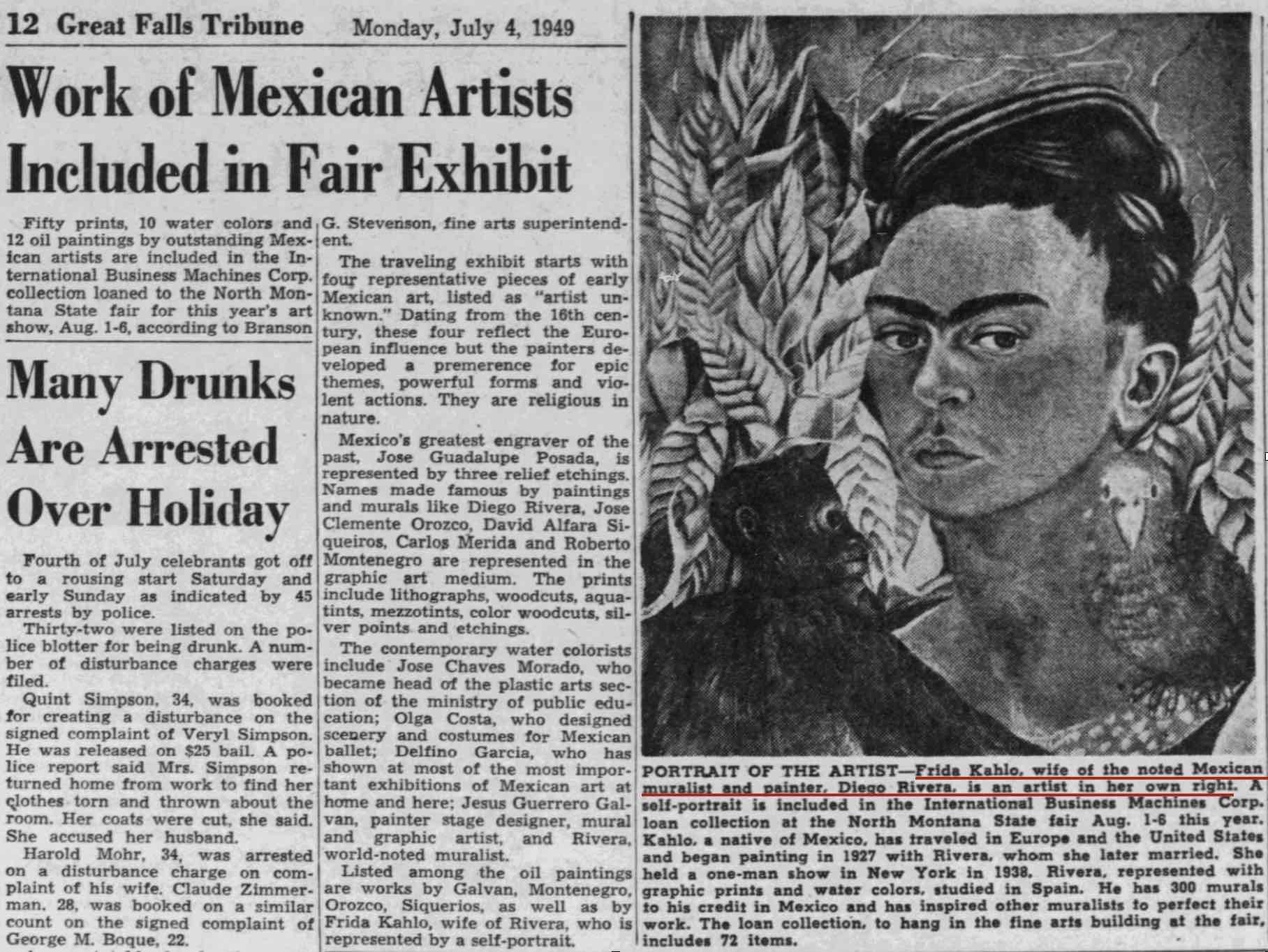
Credit: Great Falls Tribune, 1949
Kahlo’s art also received criticism:
“The art of Frida Kahlo is a ribbon around a bomb.” - André Breton, 1938
“Frida Kahlo, the surrealist with a complex and morbid imagination.” - Albuquerque Tribune, 1941
“Miss Kahlo spreads her tumultuous emotional life on surrealistic canvas, stressing anatomical detail which is expertly painted, morbidly unpleasant, and framed in red velvet. We'd rather be incarcerated in our wife's dressing room than be subjected to the intimacies of her art, if that's the way she painted.” - Herbert Kubly, Sun-Telegraph Art Editor, 1941
“Among the paintings: A full length view of and by Frida Kahlo (Mrs. Rivera) in an intimate and distressing bed scene.” - H.L. Dungan, The Oakland Tribune, 1941
In 1953, Mexican women gained the right to vote, but it was uncommon for them to discuss politics. Kahlo openly joined the Communist Party and attended protests with prominent political figures. Kahlo believed in consolidating Mexico and painted Stalin, whom she idolized because they shared similar political views. In her art, she used symbols such as the Communist Manifesto to spread her political beliefs.
Video credit: “Frida Kahlo…Between Passion and Pain,” words from the Diary of Frida Kahlo c. 1954
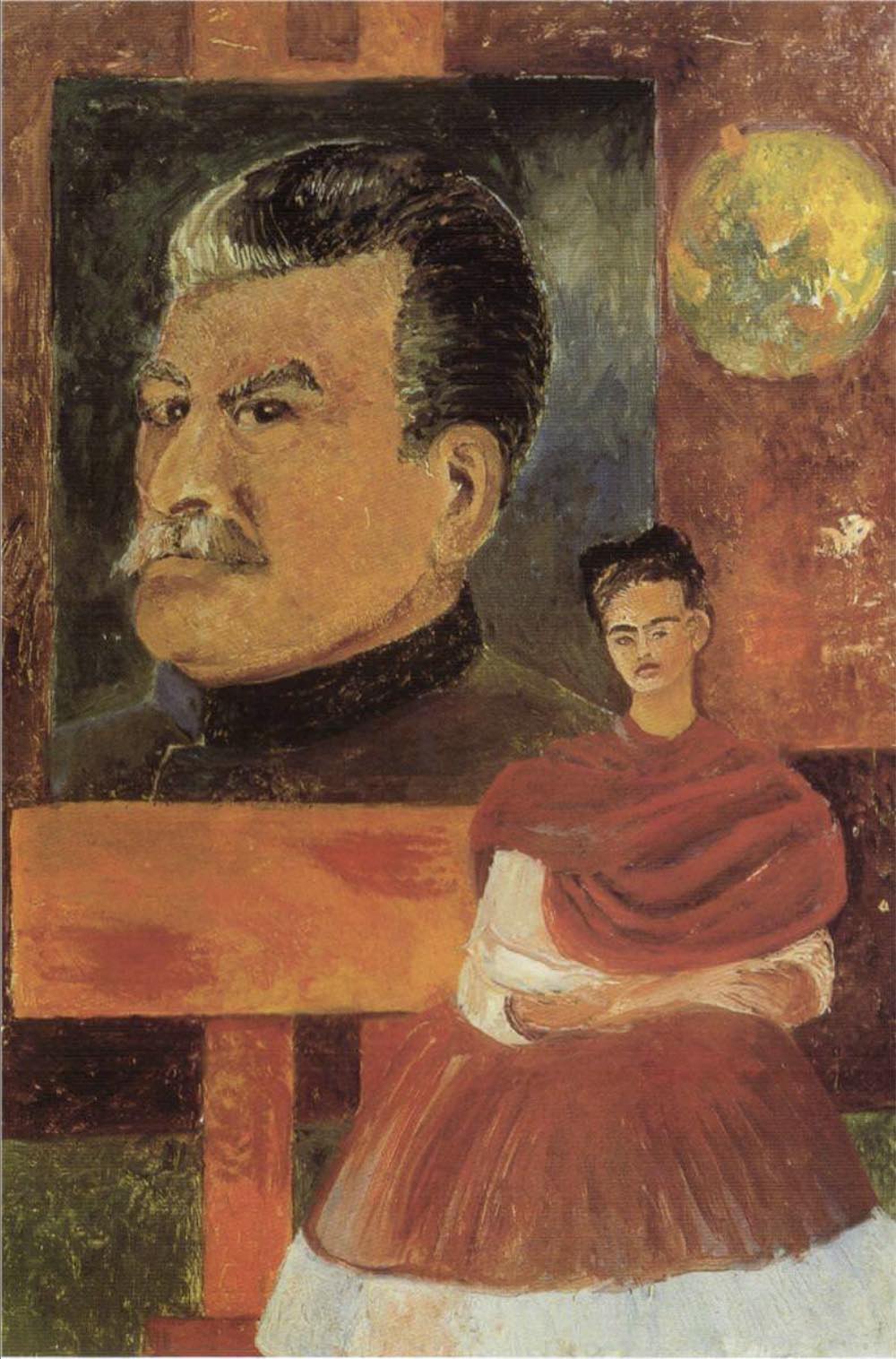
“Self Portrait with Stalin,” Frida Kahlo, 1954
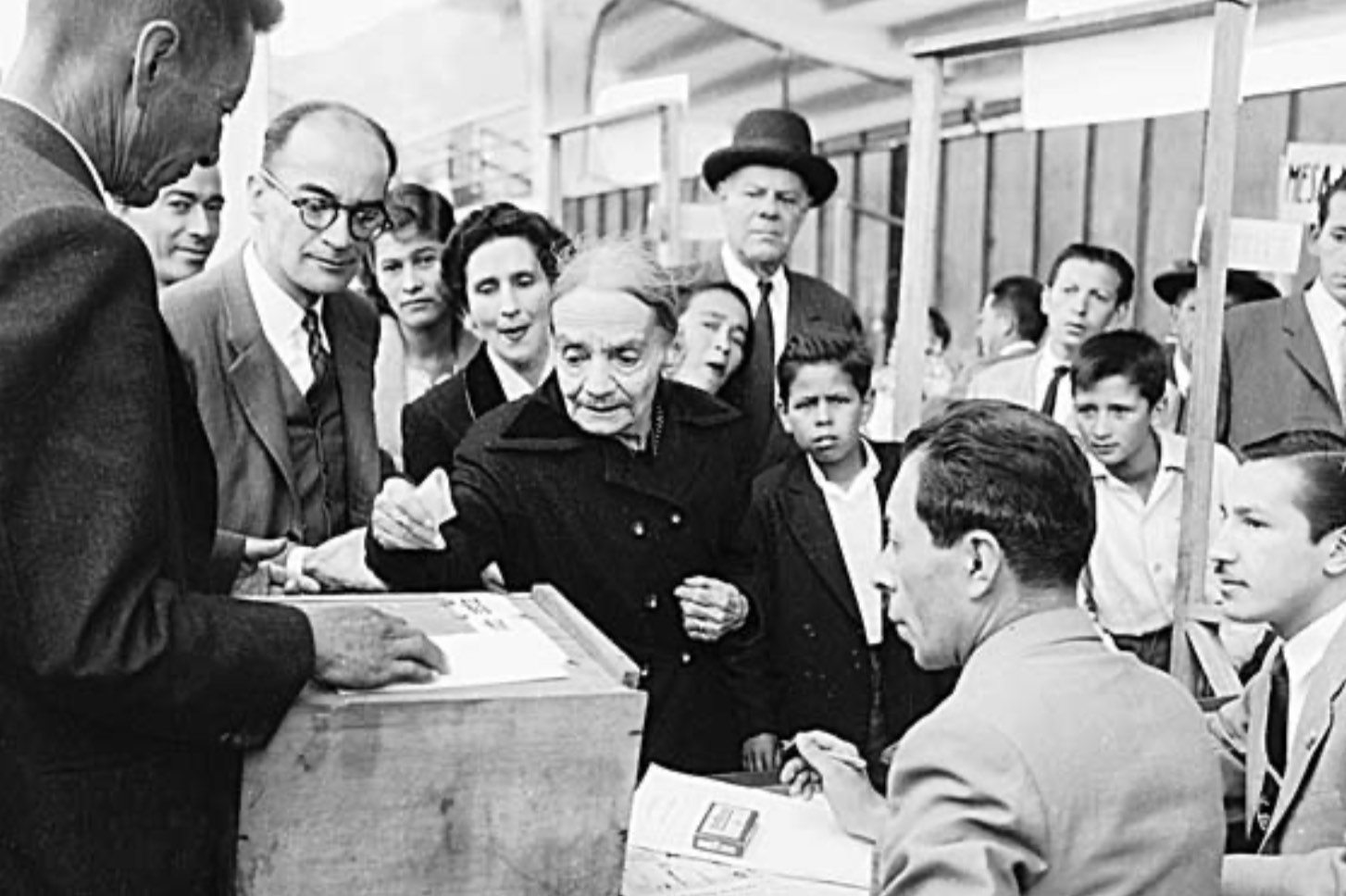
“Anniversary of women's suffrage in Mexico,” courtesy: Gobierno de México, 1953
During Mexican Modernism, Kahlo's paintings helped create turning points for women by addressing areas where they were marginalized. Now, women’s issues are openly discussed and integrated into daily life.
Currently, both presidential Mexican candidates are women, ensuring that Mexico elects its first female president.

"Claudia Sheinbaum, left, and Xochitl Galvez," credit CNN, 2023

Credit: Nicki Camberg and Victoria Ellis, Axios, 2022
Despite these improvements, women created only 12.6% of artwork in major museums, although they comprise 55% of employed artists.
Header artwork credit: Frida Kahlo, “The Flying Bed,” 1932