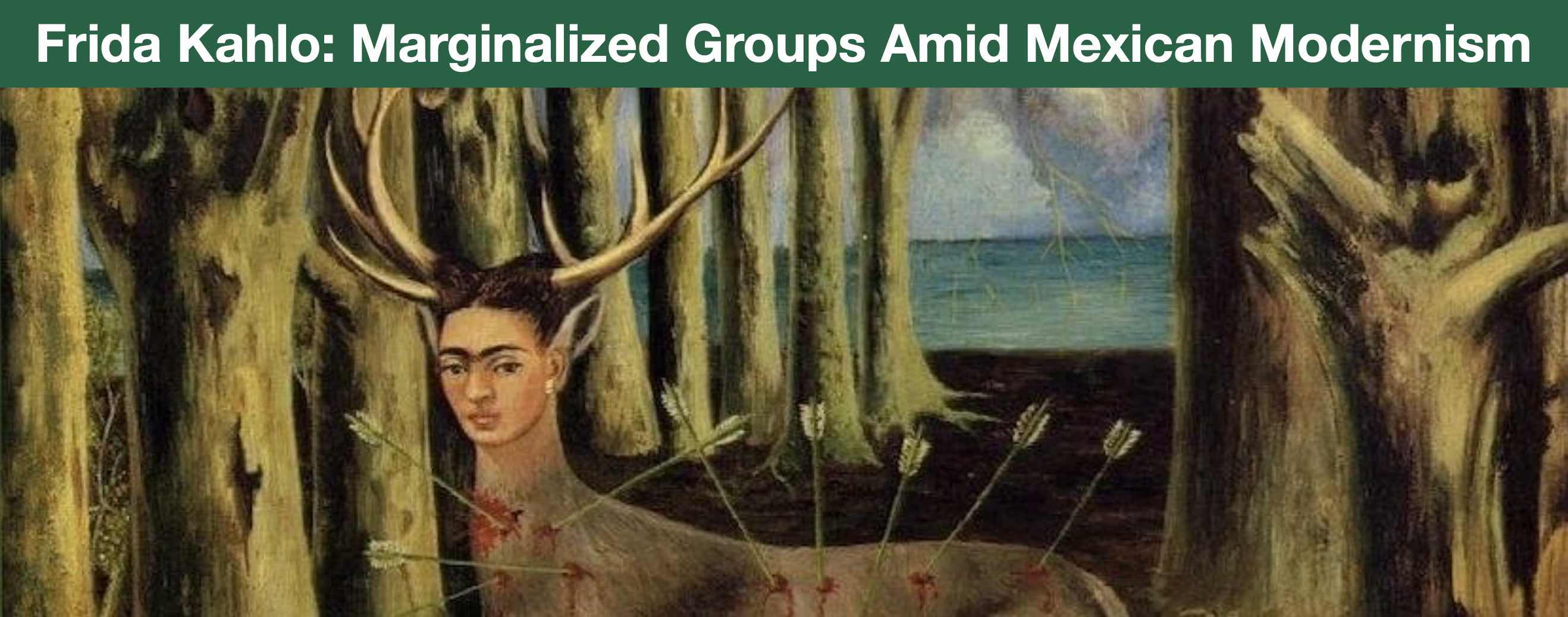
Individuals with Disabilities ~ "The Wounded Deer"
During the 1920s-1940s, people with disabilities lived on the fringes of society. Mexican eugenicists published propaganda to discourage them from reproducing. Eugenicists desired to eradicate imperfections from their race. Kahlo imparted a turning point by depicting this marginalized group. She brought awareness by innovatively portraying her disabilities with an unrestrained approach.
“Eugenesia Cover, January 1948”
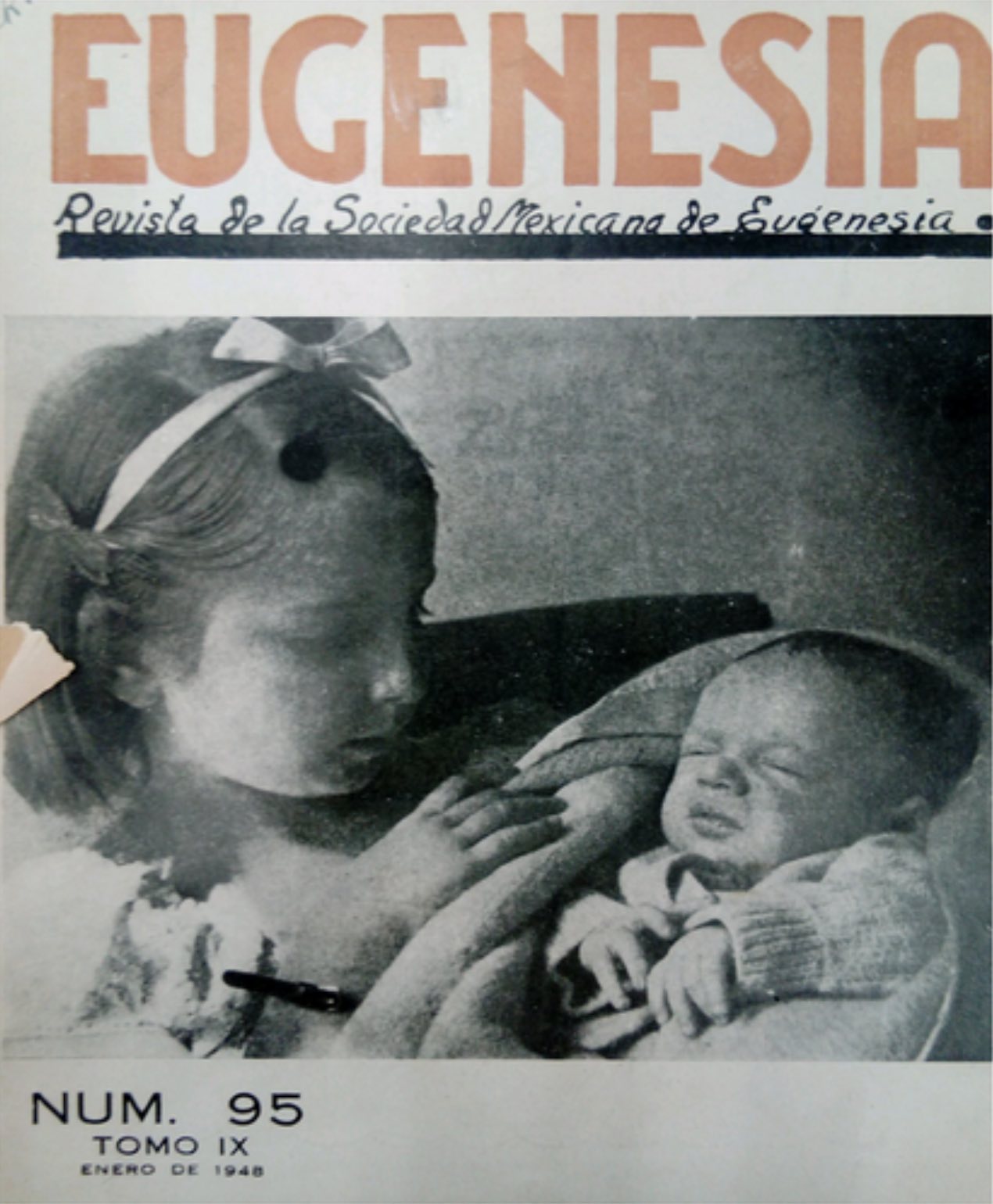
Credit: Journal of Historical Sociology, 2021
“Eugenesia Covers, December 1941 (top-left), February 1941 (top-right), September 1941 (bottom-left), July 1950 (bottom-right)”
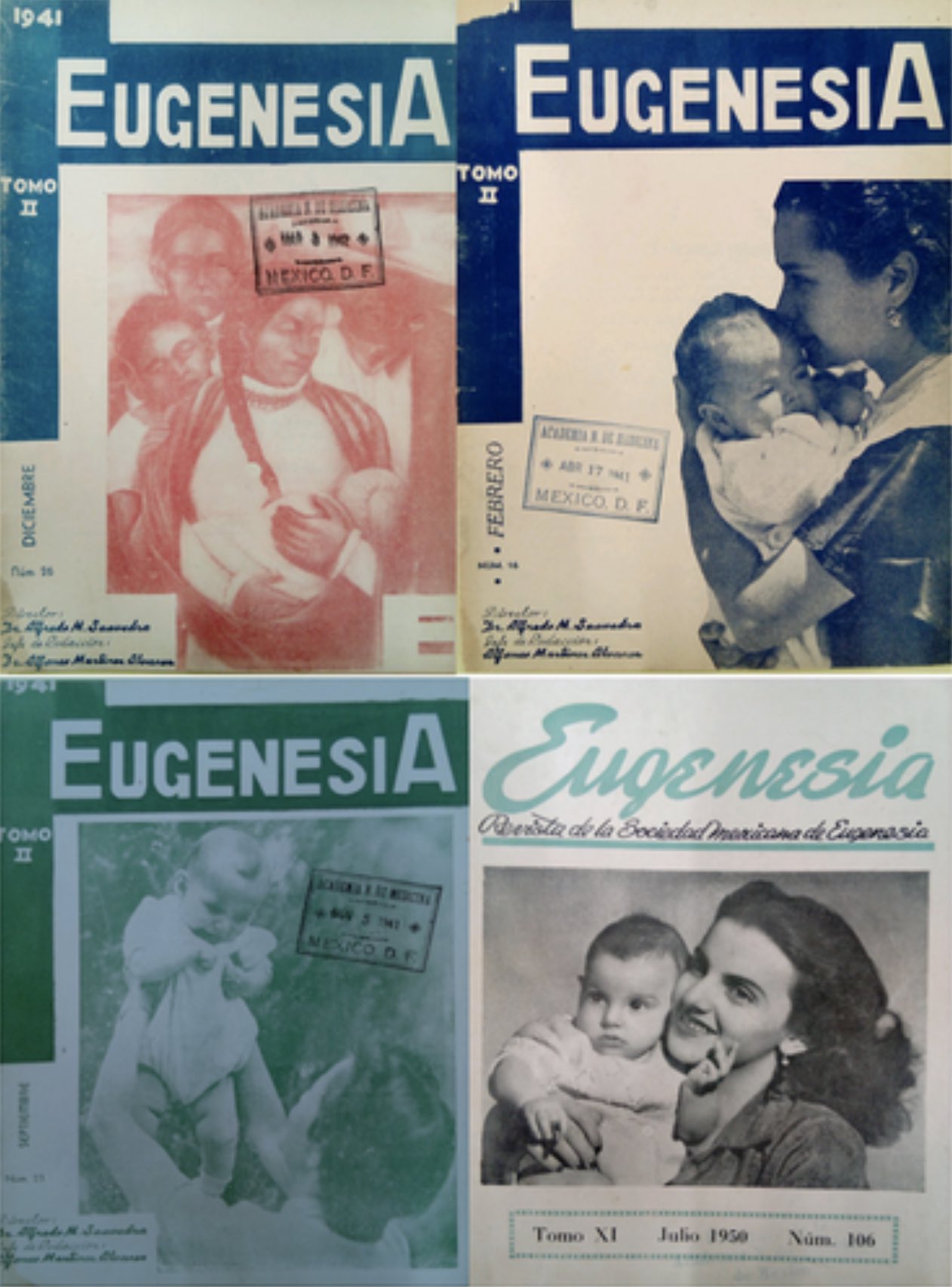
Credit: Journal of Historical Sociology, 2021
After the bus accident, her father provided Frida with art tools. She expressed the physical pain she felt through her art.
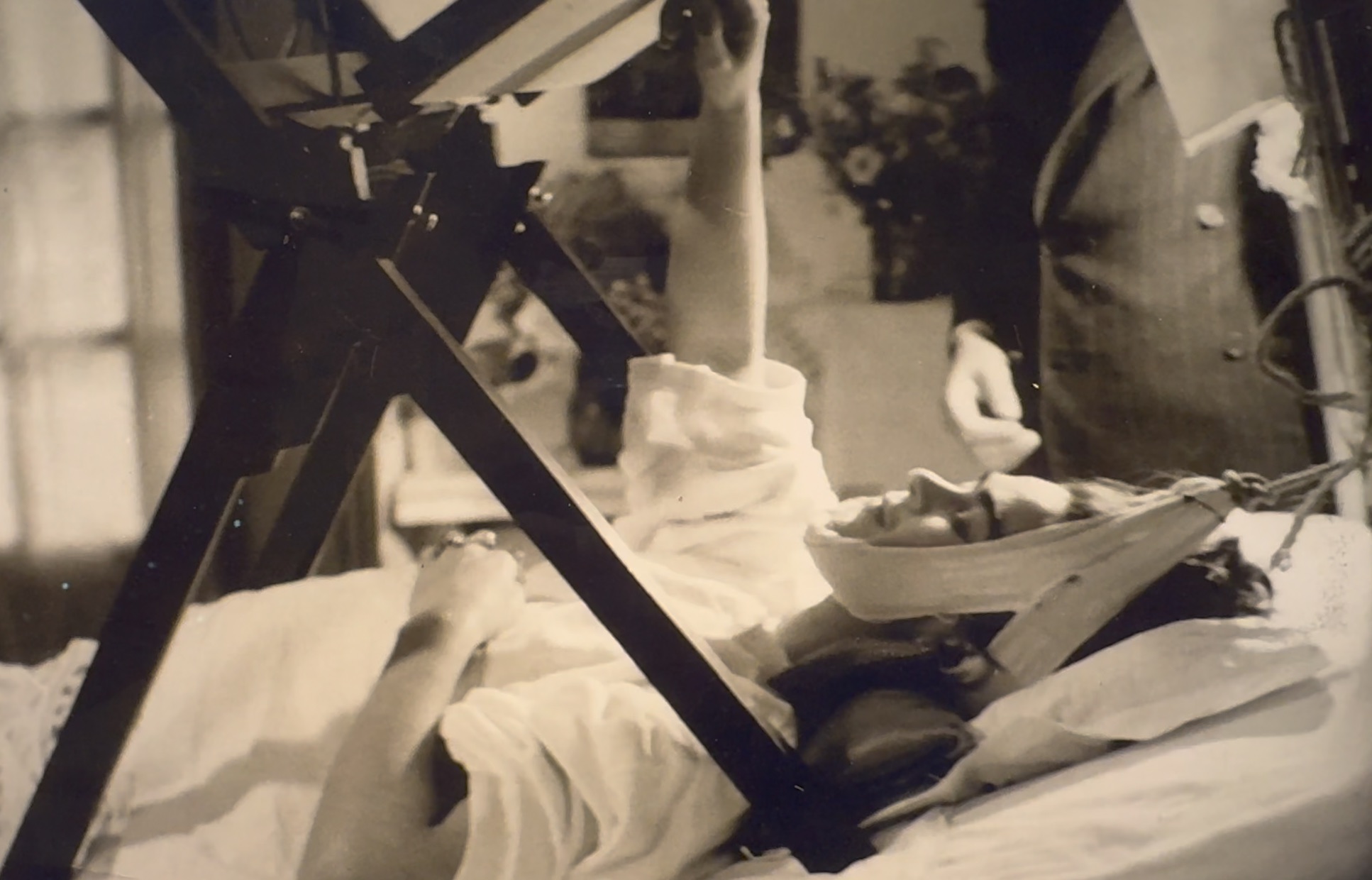
“Frida Kahlo,” Seventh Art Productions, 2020
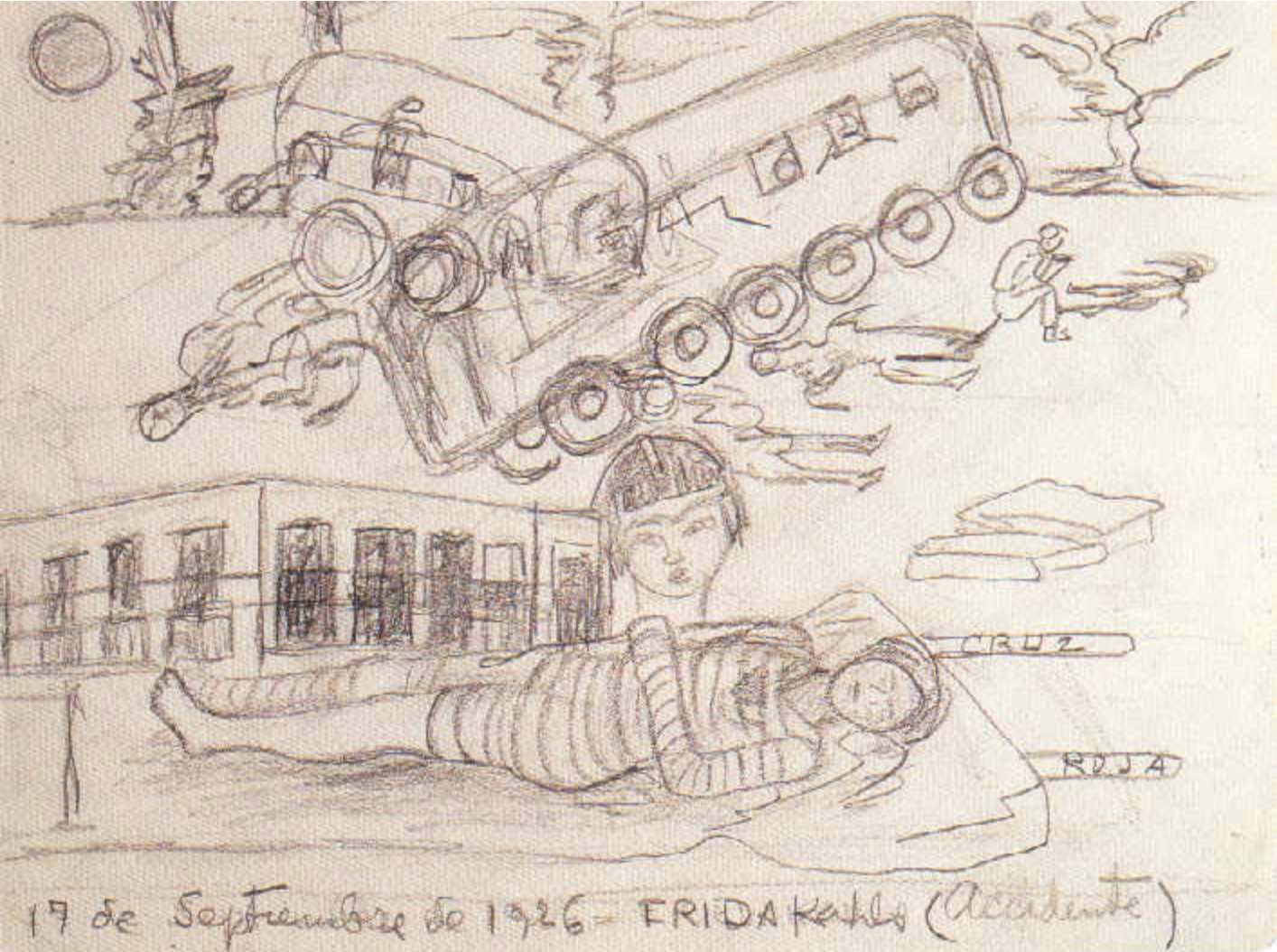
“The Accident,” sketch by Frida Kahlo, 1926
Kahlo’s medical braces
“Frida Kahlo,” Seventh Art Productions, 2020
After numerous surgeries, Kahlo wore braces to support her spine.
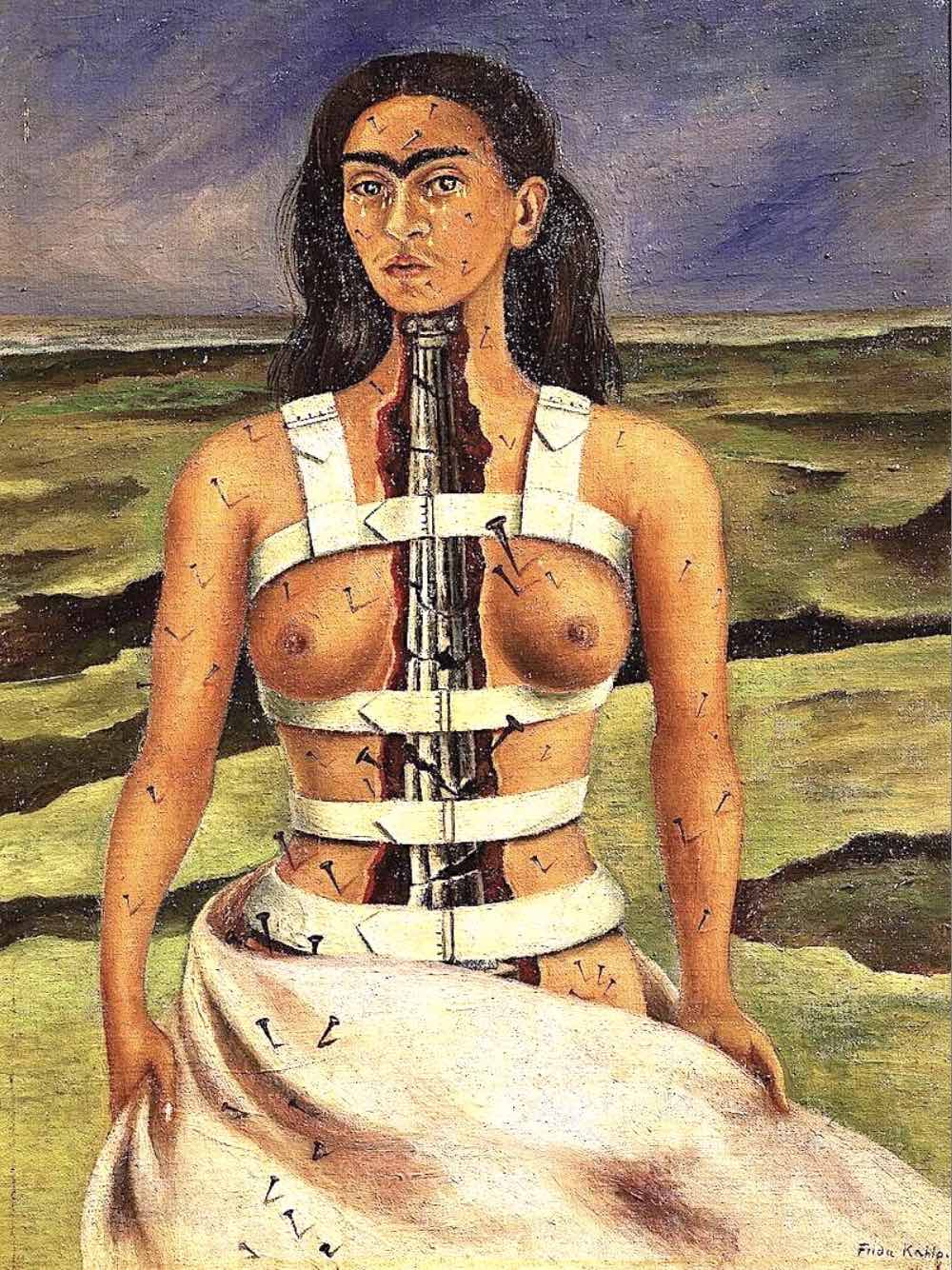
“The Broken Column,” Frida Kahlo, 1944
This painting shows Kahlo being force-fed every two hours due to malnourishment.
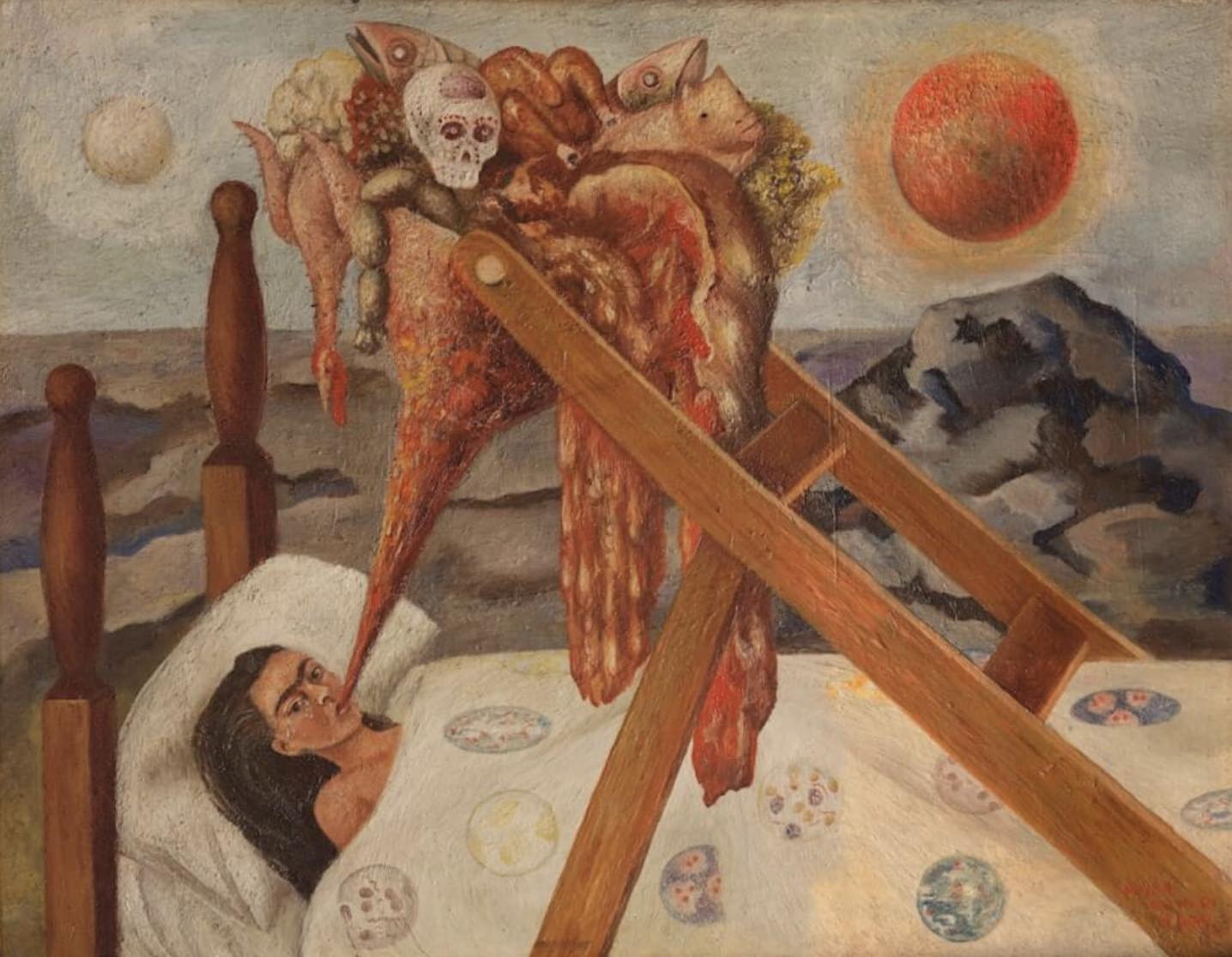
“Without Hope,” Frida Kahlo, 1945
Disabilities caused Kahlo a lifetime of pain.
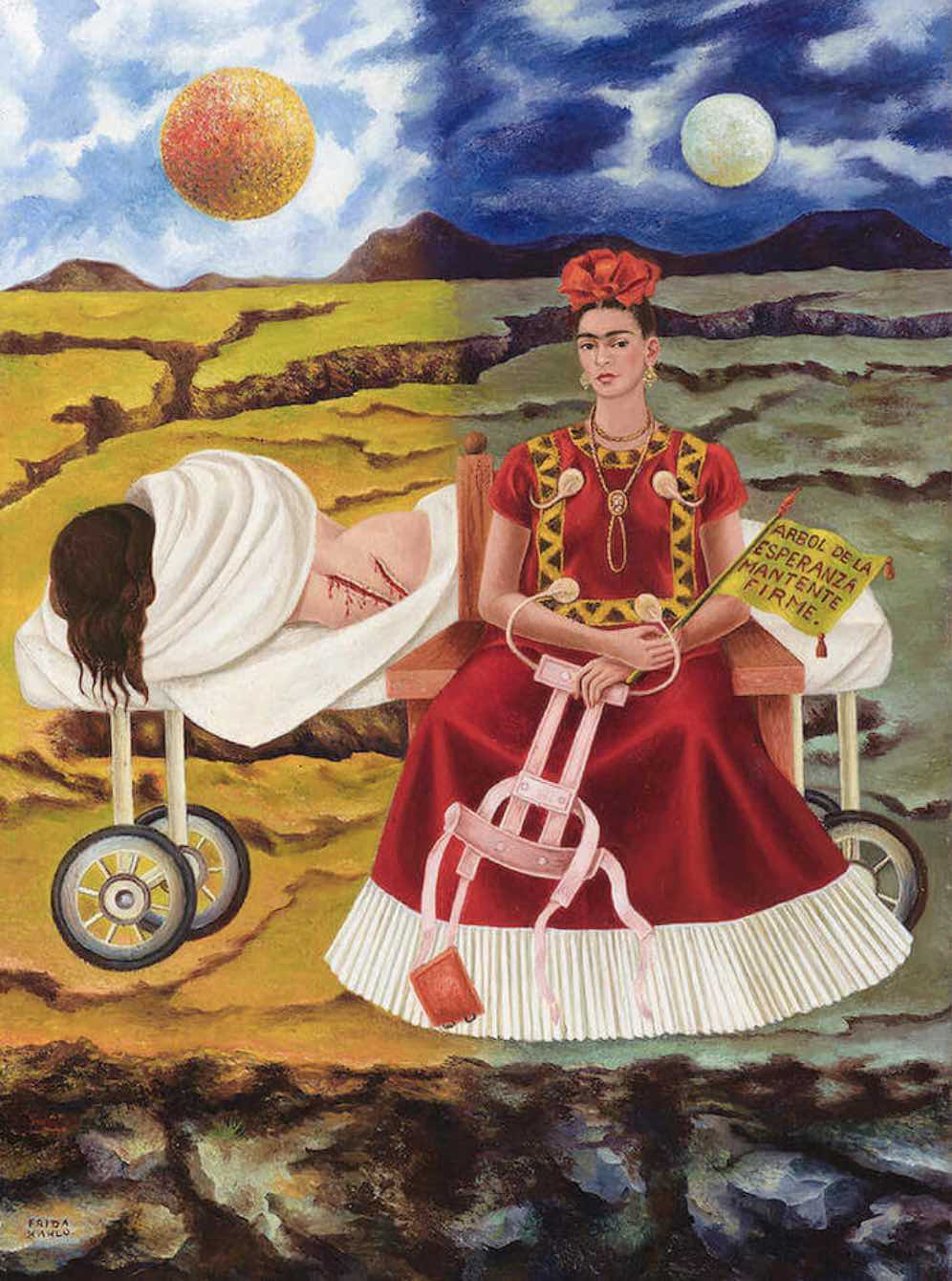
“Tree of Hope,” Frida Kahlo, 1946
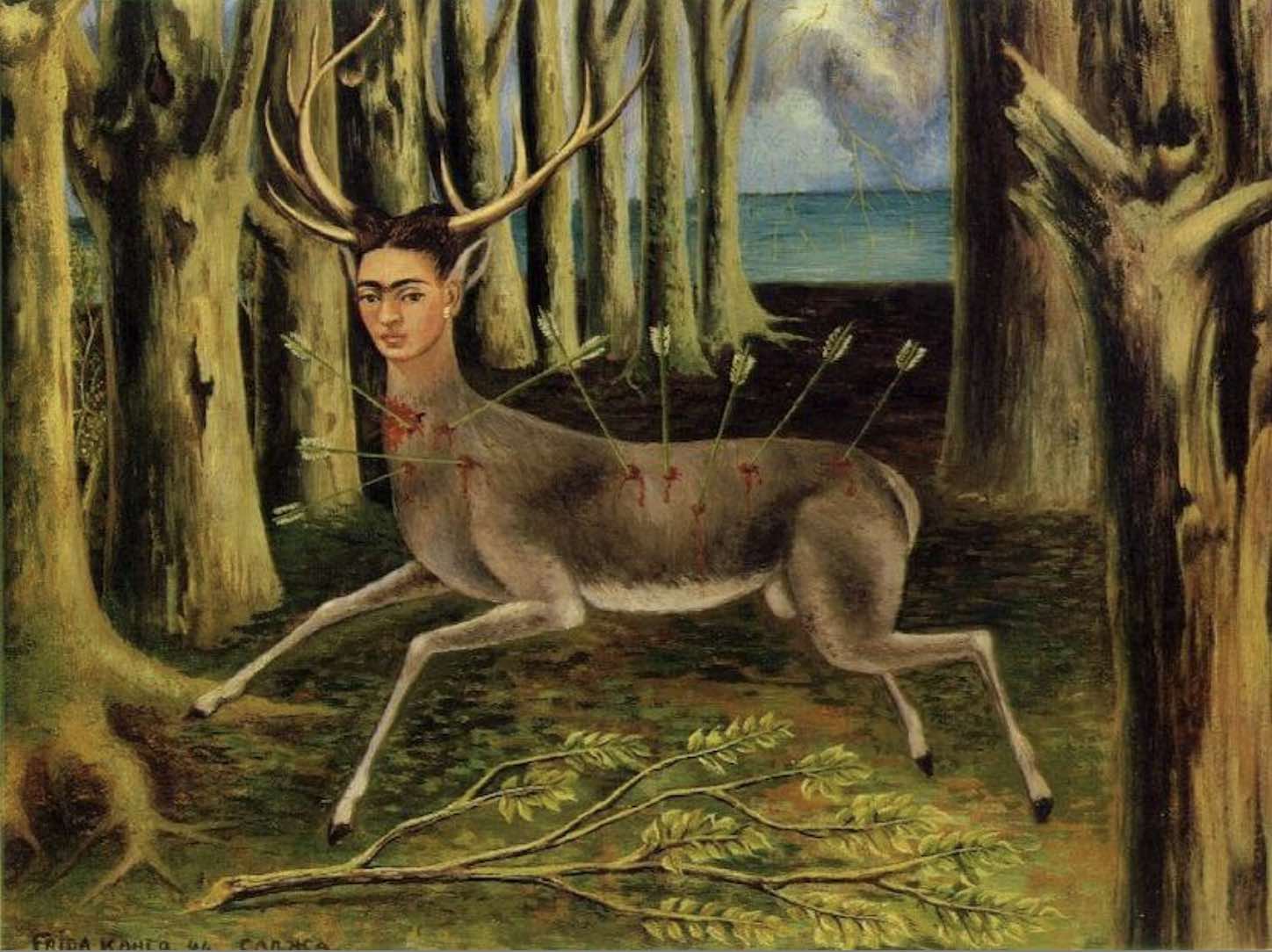
“The Wounded Deer,” Frida Kahlo, 1946
“Once I heard someone say my Aunt Frida was no more than a poor invalid. Truly, those kind of utterances filled me with rage. “An invalid?” I would think. “With all those excruciating operations and still doing what she did?” I would like to see any of us bear his or her cross with the joy and the love as she carried hers.” - Isolda Kahlo, 2004
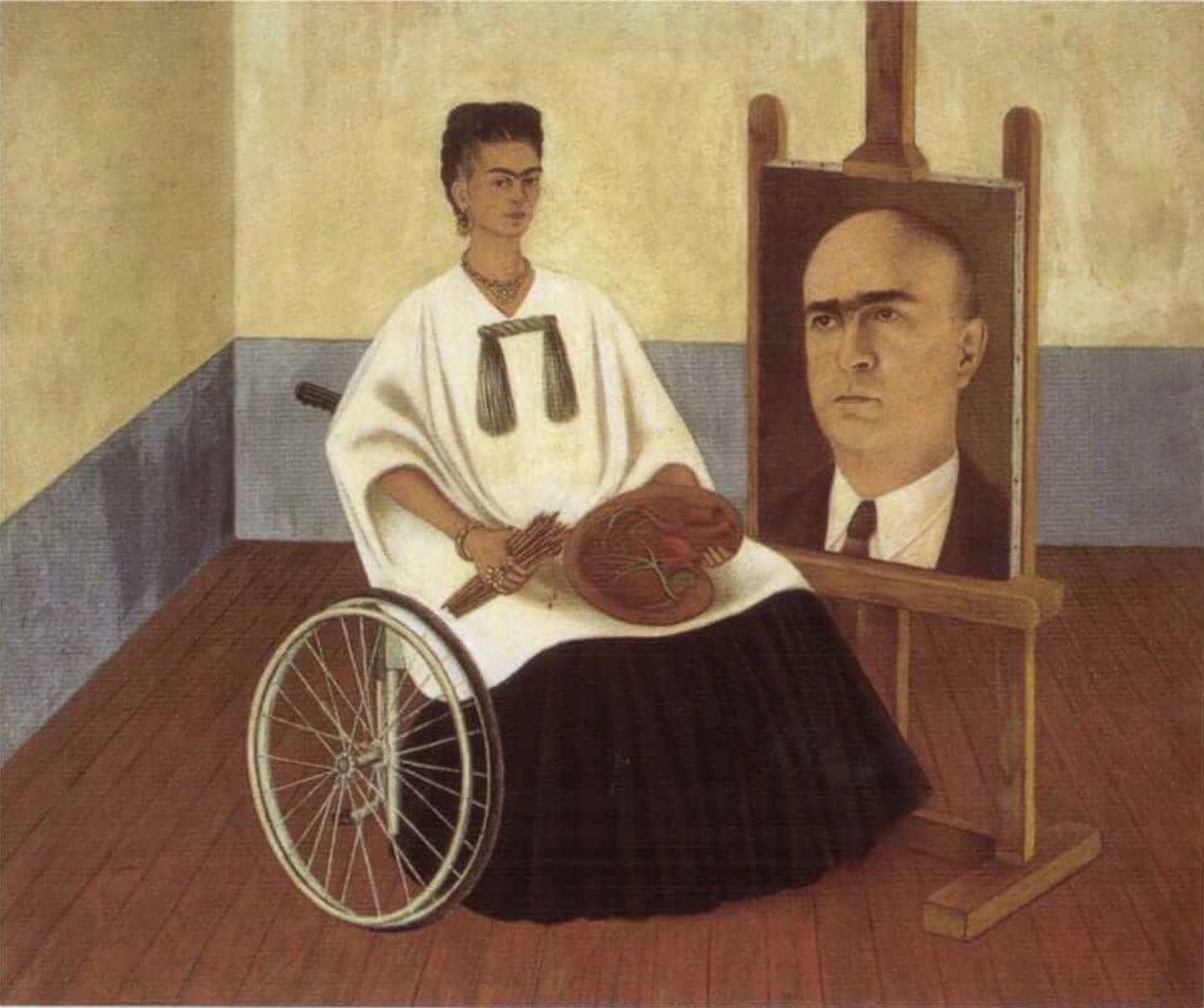
“Self-Portrait with the Portrait of Doctor Farill,” Frida Kahlo, 1951
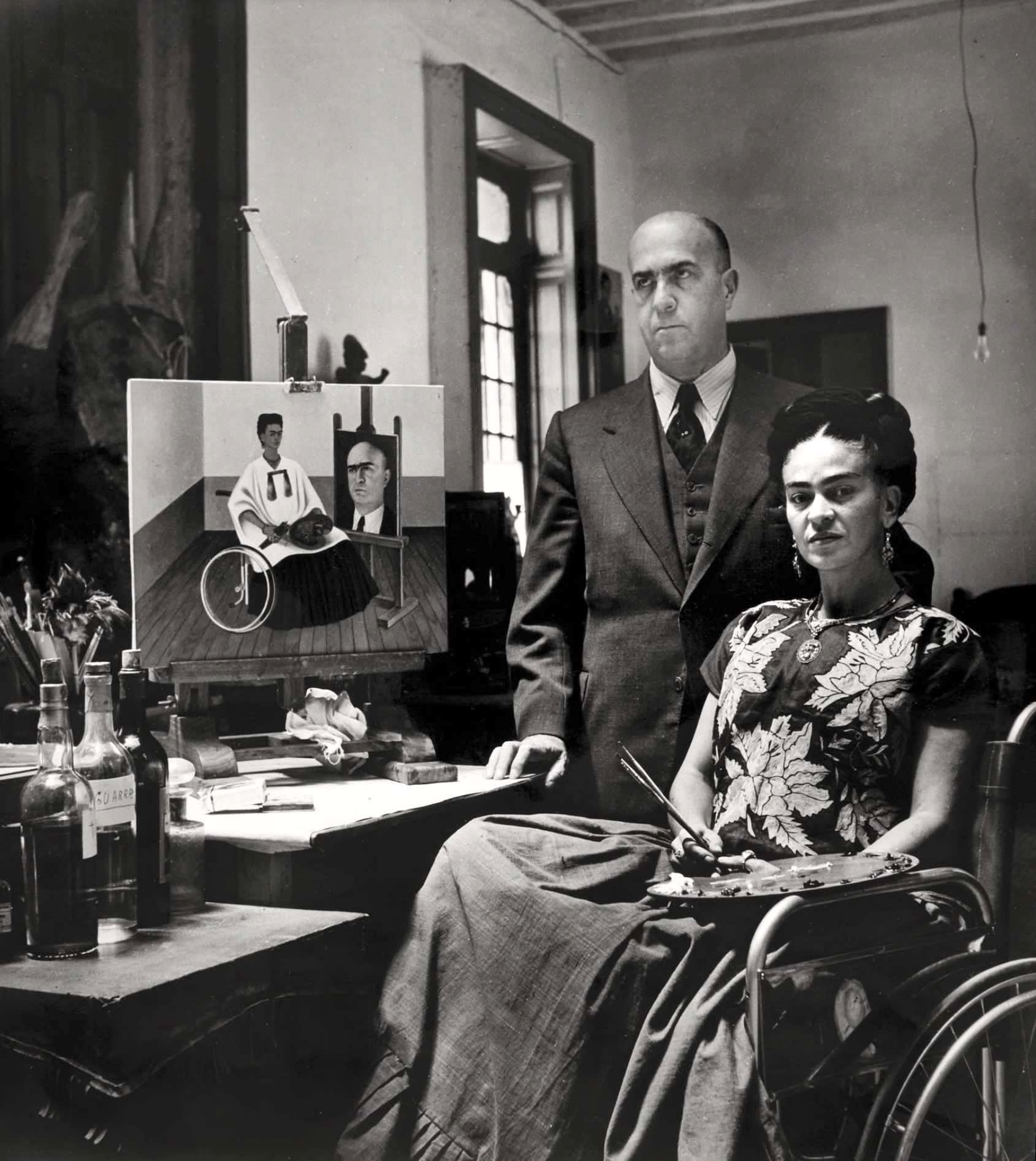
“Frida and Dr. Farill beside her ‘Self-Portrait with the Portrait of Doctor Farill’,” 1951, from “Frida” by Herrera
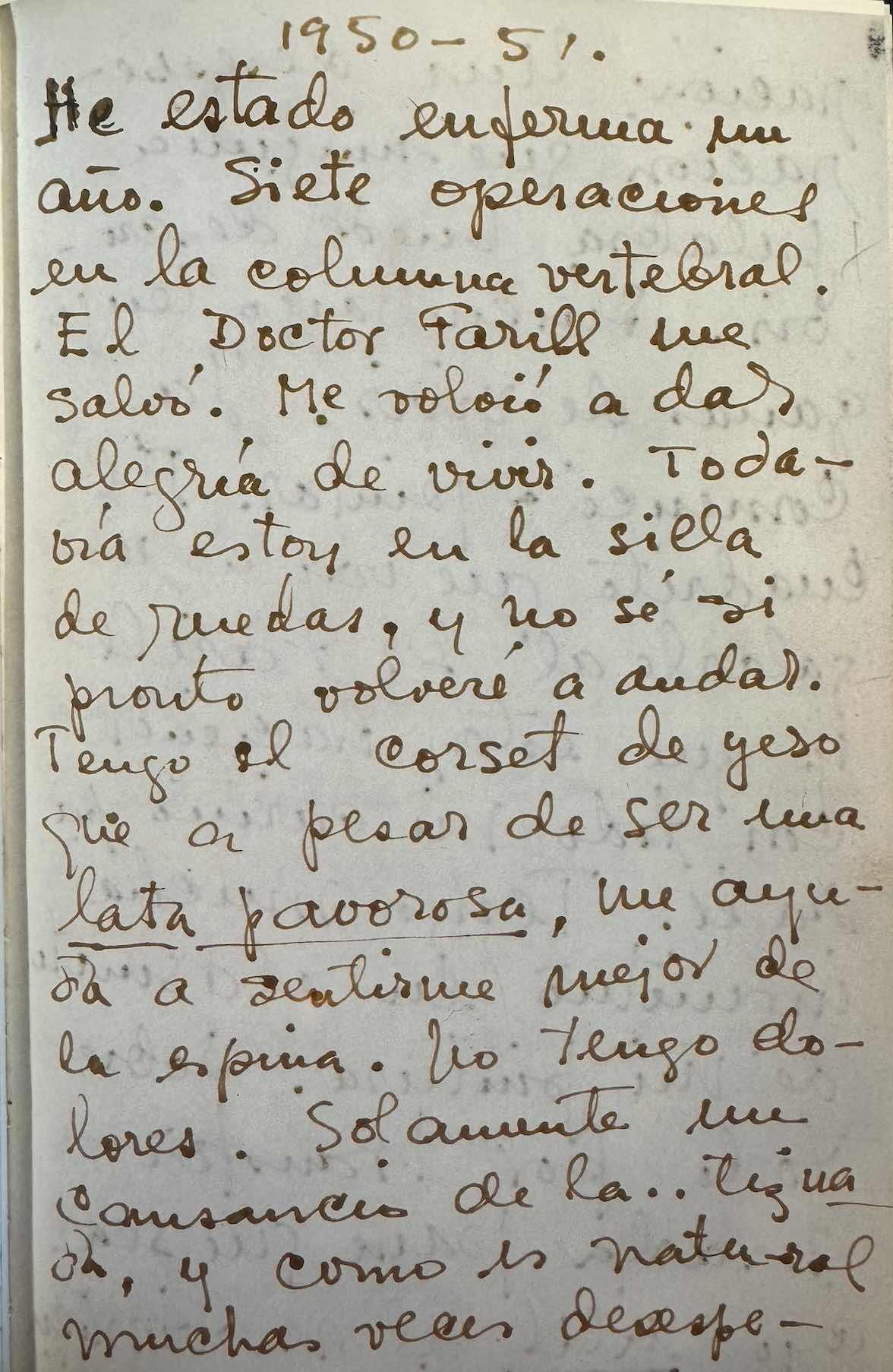
"I've been sick for a year now. Seven operations on my spinal column. Doctor Farill saved me. He brought me back the joy of life. I am still in the wheel-chair, and I don't know if I'll be able to walk again soon. I have a plaster corset even though it is a frightful nuisance, it helps my spine. I don't feel any pain. Only this.. bloody tiredness, and naturally, quite often, despair.” - translation from the Diary of Frida Kahlo, 1951
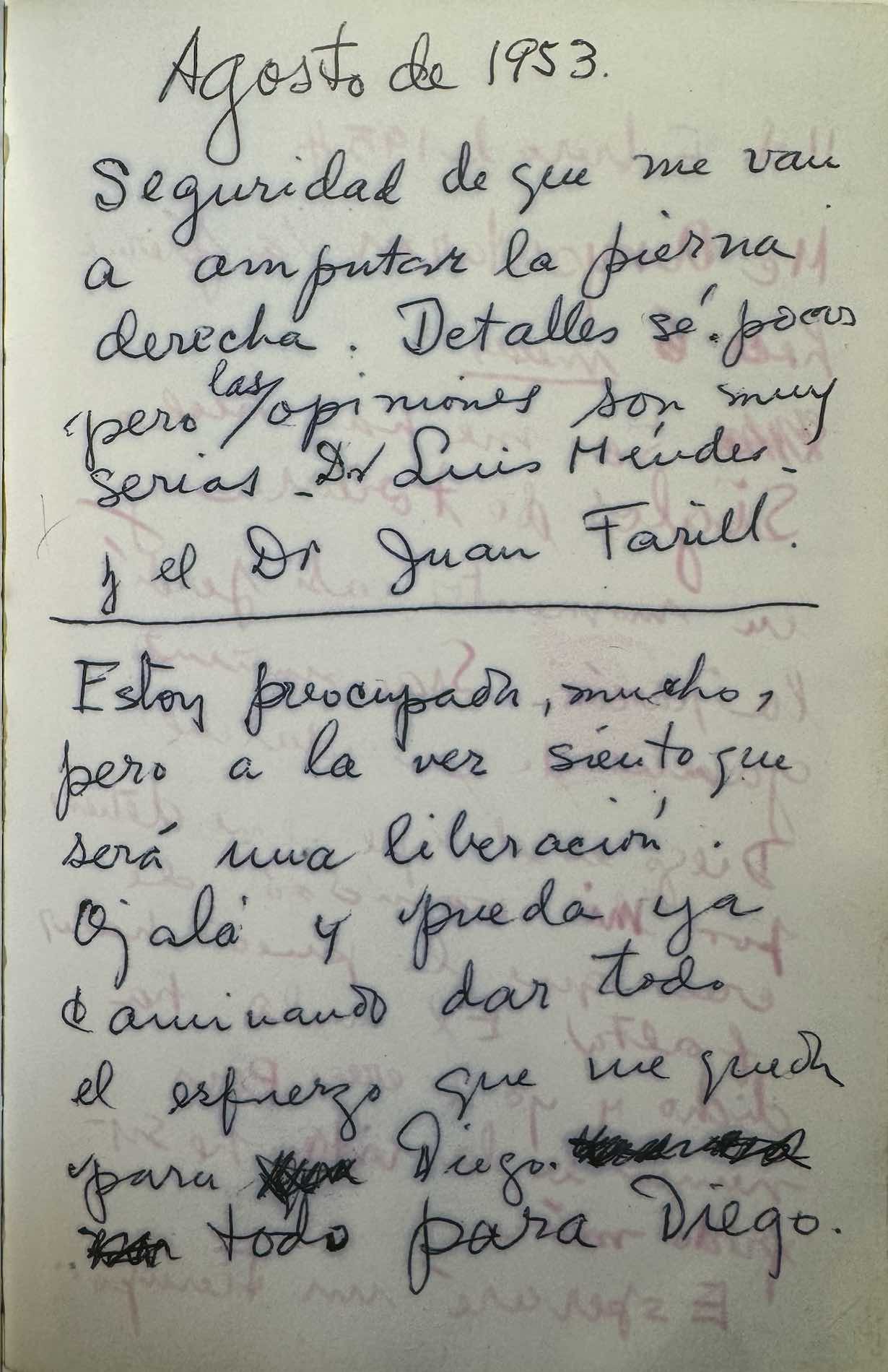
“August 1953 It is certain that they are going to amputate my right leg. Details I don’t know much but the opinions are very reliable. Dr. Luis Mendes and Dr. Juan Farill. I’m very very worried, but at the same time I feel it would be a relief. In the hope that when I walk again I’ll give what remains of my courage to Diego. Everything for Diego." - translation from the Diary of Frida Kahlo, 1953
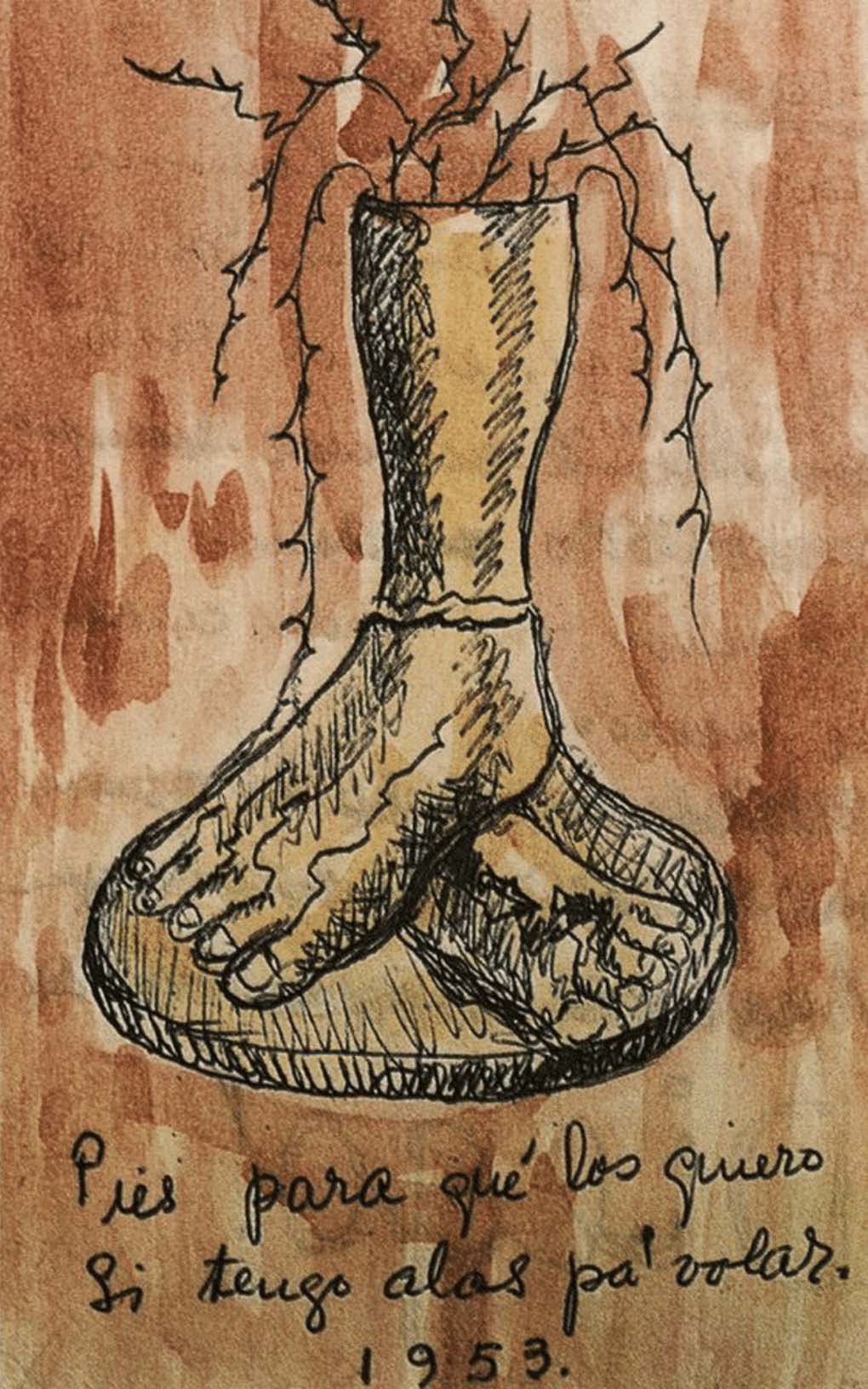
“Feet what do I need them for, if I have wings to fly.” - translation from the Diary of Frida Kahlo, 1953
When doctors amputated Kahlo’s leg due to gangrene, she designed a boot for her prosthetic leg.
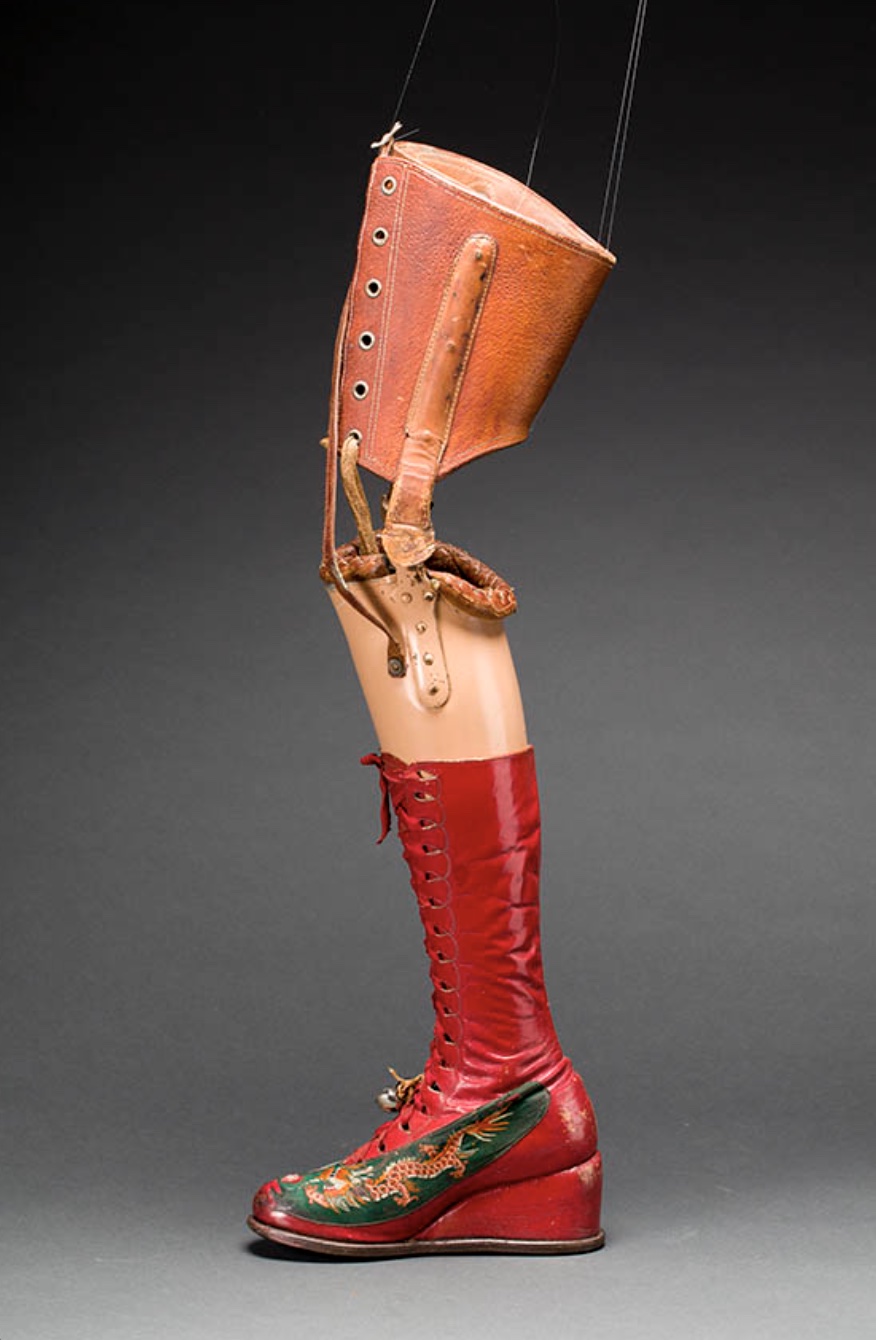
“Right foot metal prosthesis, boot with Chinese motifs,” - boot designed by Frida Kahlo, 1953 photo credit: Museo Frida Kahlo
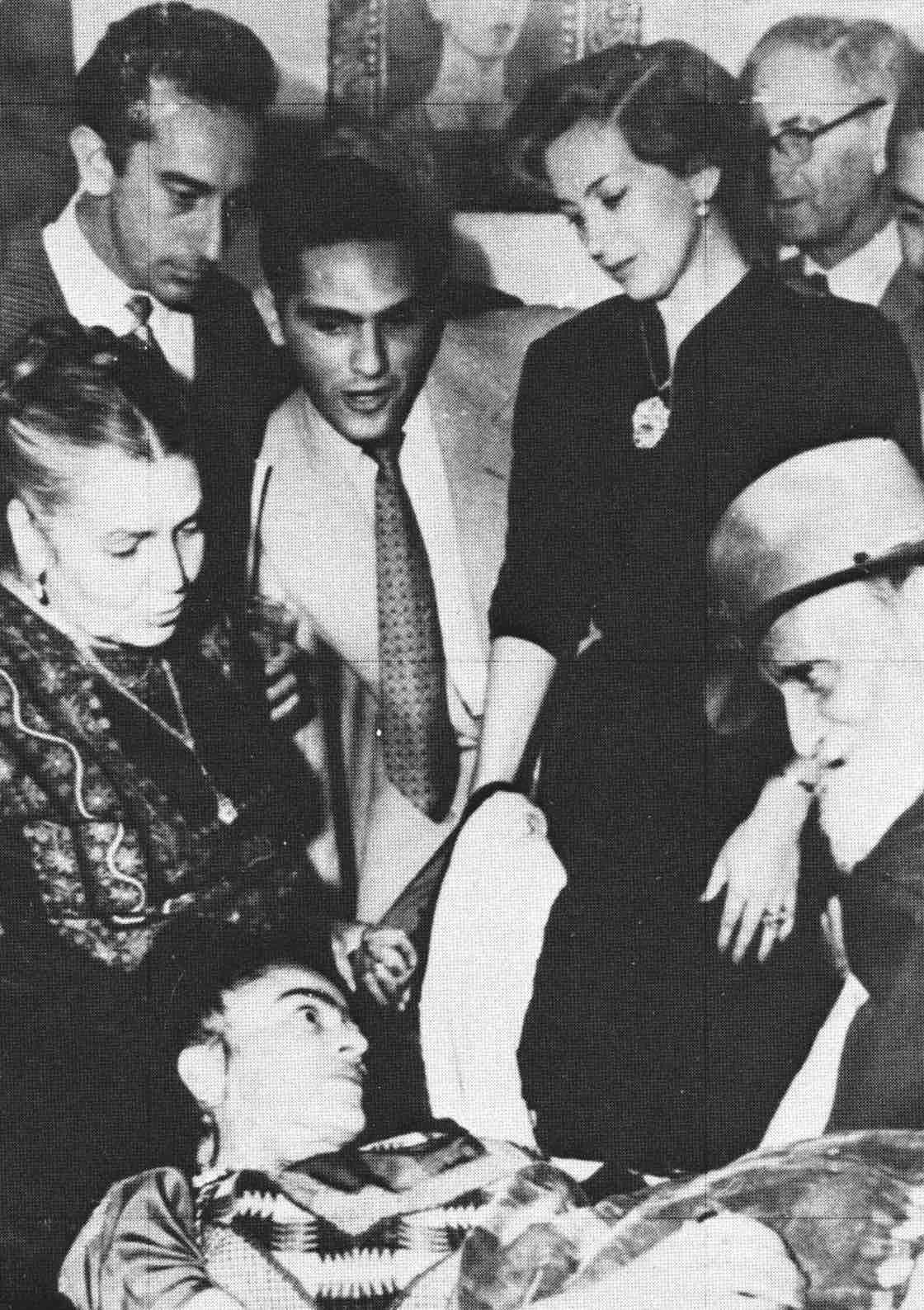
"Being carried into the gallery at the opening of the Homage to Frida Kahlo in 1953," from “Frida” by Herrera
Although most perceived her art as an outlet for her pain, others believed she used her disabilities to gain sympathy. Some hypothesized that Frida developed Munchausen syndrome. According to Dr. Eloesser, Frida underwent unneeded operations to gain attention.
During Mexican Modernism, Kahlo painted her disabilities. By bringing awareness to marginalized people with disabilities in an original way, she disseminated a turning point that helped normalize these individuals. Now, Kahlo is an icon celebrated by the disabled community during disability pride month.

Accessible ramp, Cancun, Mexico
Credit: Wheel the World, 2024
Today, individuals with disabilities are publicly acknowledged. Increased accessibility encourages integration into society. Companies even created dolls with disabilities to promote inclusion.
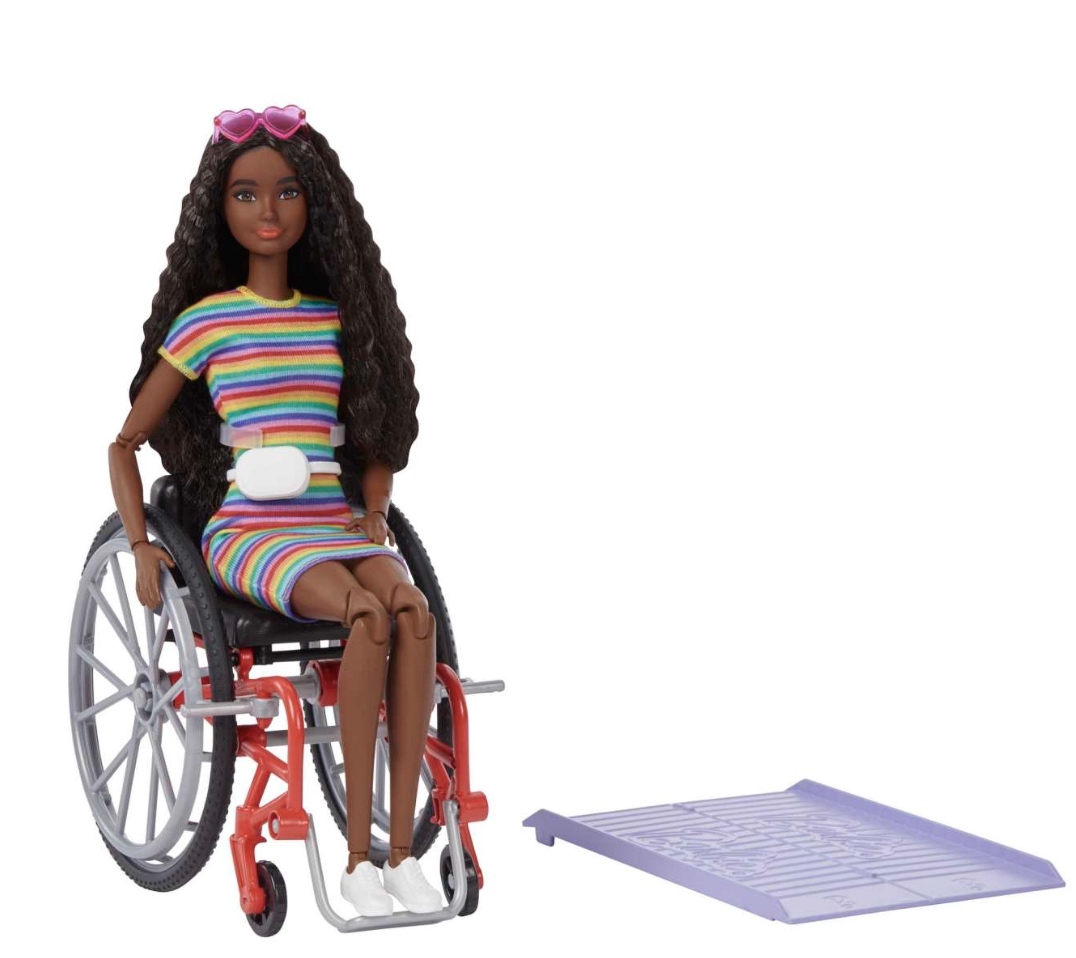
Doll with wheelchair and ramp, Mattel, 2020
Header artwork credit: Frida Kahlo, “The Wounded Deer” 1946